Skip to content

Childhood Acne

Childhood acne is not one condition but several, and the right response depends almost entirely on the child’s age. A newborn with tiny red bumps on the cheeks usually needs nothing more than patience, while true acne in a four-year-old warrants a proper medical evaluation because it can signal an underlying hormonal issue. Understanding which type you are dealing with is the first and most important step.
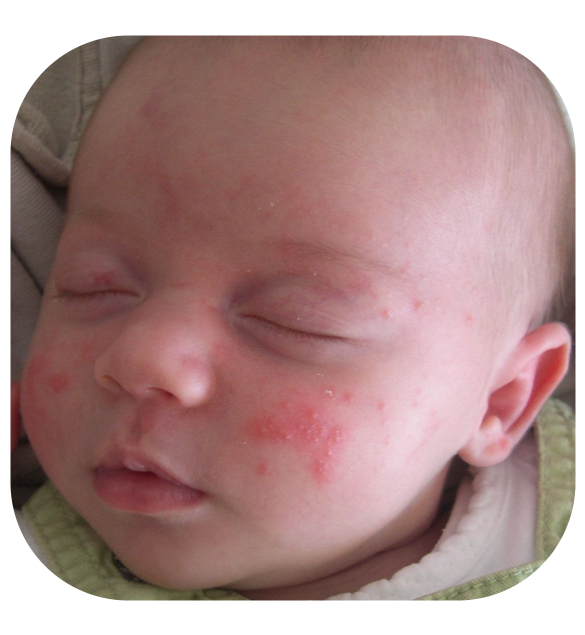
Baby acne showing small red bumps and pustules on an infant's cheeks and face

How Childhood Acne Changes With Age

The term “childhood acne” covers three distinct presentations that behave very differently from one another. Knowing the age boundaries helps parents avoid unnecessary worry and, just as importantly, avoid missing something that genuinely needs attention.

Neonatal acne, sometimes called neonatal cephalic pustulosis, affects roughly 20% of healthy newborns in the first three months of life. It shows up as small red bumps or pustules on the cheeks, nose, forehead, and sometimes the neck and upper trunk. There are no blackheads or whiteheads, and the condition is now understood to be a reaction to normal skin yeast, Malassezia, rather than true acne. It clears on its own without treatment in the vast majority of cases.

Infantile acne appears between a few months and two years of age and is more common in boys. Unlike neonatal acne, this is true acne: it includes comedones, papules, pustules, and occasionally nodules or cysts. It is thought to result from a temporary surge in testosterone causing overactivity of the skin’s oil glands. Most affected children have no underlying hormonal problem, but infantile acne can leave scars, so it deserves more active management.

Mid-childhood acne, defined as true acne appearing between roughly one and seven years of age, is rare and atypical. When comedones and inflammatory lesions appear in this window, current dermatology guidance recommends a hormonal work-up because it can point to an endocrine disorder. This is the age group where a “wait and see” approach is not appropriate.

Age GroupTypical FeaturesUsual Approach
Neonatal (0-3 months)Red bumps, pustules, no comedonesNo treatment, clears on its own
Infantile (1.5 months – 2 years)Comedones, papules, occasional cystsGentle care, topical treatment if needed
Mid-childhood (1-7 years)True comedones and inflammatory acneMedical evaluation, hormonal work-up

What Parents in Kollam Should Know About Climate and Care

Kollam’s humid, coastal climate creates conditions that can aggravate childhood acne. Heat and humidity increase sweating, and sweat combined with oil can further clog pores and irritate inflamed skin. Children who play outdoors, especially during the hotter months, often develop more noticeable breakouts on the forehead, chest, and back.

A few practical adjustments help. Dress children in loose, breathable cotton rather than synthetic fabrics that trap heat and moisture. Rinse the skin with plain water after heavy sweating and pat dry rather than rubbing. Avoid heavy oils and greasy hair products, which can transfer to the face and worsen clogged pores. These measures do not cure acne, but they reduce the environmental burden that makes it harder to manage.

Treatment Principles That Actually Matter

The single most common mistake parents make is treating every bump as if it were the same condition. Neonatal acne needs no treatment at all. Applying adult acne products, harsh scrubs, or home remedies to a newborn’s skin can cause irritation far worse than the original rash. Gentle cleansing with water and a mild, fragrance-free baby cleanser is enough.

For infantile acne, the approach is more active but still measured. Mild cases may respond to a gentle cleanser and a lightweight, non-comedogenic moisturiser. When comedones or inflamed lesions persist, a paediatric dermatologist may recommend a topical treatment such as benzoyl peroxide at a low concentration, or a topical retinoid. These should only be used under medical guidance because young skin absorbs products differently and is more prone to irritation.

Over-the-counter acne products designed for teenagers are generally not appropriate for children under seven. Adult-strength salicylic acid, strong benzoyl peroxide preparations, and abrasive scrubs can damage the skin barrier. If a product stings badly, leaves the skin red and peeling, or worsens the breakout, stop using it and seek advice.

When to See a Dermatologist

Certain signs should prompt a visit to a specialist rather than continued home management. Acne that appears in mid-childhood, especially with other signs such as unusual hair growth, rapid growth, or body odour, needs a hormonal evaluation. Severe infantile acne with nodules or cysts should be seen early because of the scarring risk. Acne that causes emotional distress, avoidance of school or social activities, or persistent picking also warrants professional support.

TLC Skyn provides dermatology care for children in Kollam, with an approach that matches treatment intensity to the child’s age and the type of acne present. A proper diagnosis can distinguish between a harmless newborn rash, straightforward infantile acne, and the rarer mid-childhood presentations that need further investigation.

Frequently Asked Questions

Can your face swell from acne?

Yes, though it is uncommon in typical childhood acne. Severe inflammatory lesions, particularly nodules and cysts, can cause localised swelling in the surrounding skin. If significant facial swelling develops, especially with pain or fever, it needs prompt medical assessment to rule out infection.

What are some good skincare products for acne?

For children, the best products are the simplest: a mild, fragrance-free cleanser, a non-comedogenic moisturiser, and, when prescribed, a low-strength topical treatment such as benzoyl peroxide or a topical retinoid. Avoid products with multiple active ingredients, added fragrance, or abrasive particles, which tend to irritate young skin.

How to deal with acne anxiety?

Acknowledge the child’s feelings without dismissing them. Help them understand that acne is a medical condition, not a result of poor hygiene or something they did wrong. Avoid commenting repeatedly on their skin, and focus on consistent treatment rather than daily scrutiny. If anxiety persists or affects school and friendships, speak with a paediatrician or counsellor.

What can I do if my chin acne won’t go away?

Persistent chin acne in a child may need a different approach than what has been tried. It is worth reviewing whether the current products are appropriate for the child’s age, whether anything is being applied too frequently, and whether there are habits like chin resting or picking that perpetuate the breakout. A dermatologist can assess whether a prescription treatment or further evaluation is needed.
Childhood Eczema

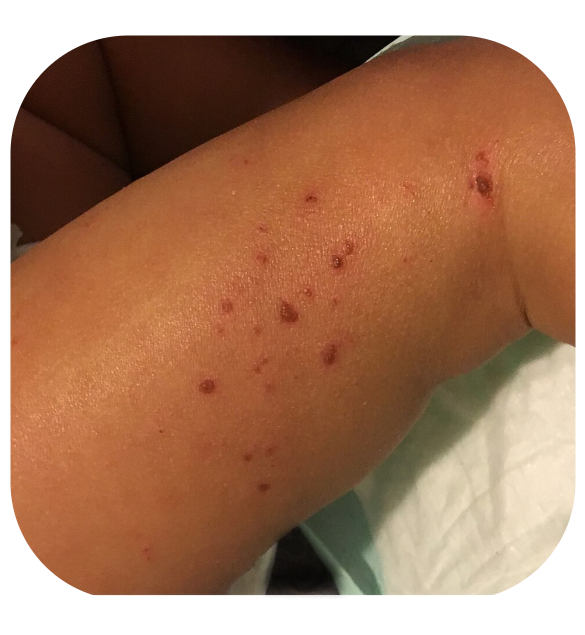
Childhood eczema, or atopic dermatitis, is a chronic inflammatory skin condition causing dry, itchy, red patches, most often on cheeks, scalp, and outer arms in babies and in elbow and knee creases in older children. It is not contagious and cannot be permanently cured, but can be managed with consistent skin care and the right treatment. In Kollam’s humid, warm climate, flares happen during sweaty summer months and unusually dry spells, so the approach must fit the season.

Childhood eczema showing red, scratched patches on a young child's skin

For children who also struggle with acne during adolescence, eczema and acne need different care, and products meant for one can worsen the other.

How Childhood Eczema Behaves

Eczema is driven partly by a weaker skin barrier. Many affected children have lower levels of filaggrin, a protein that helps skin hold moisture and keep irritants out. When the barrier fails, allergens and microbes get in, and the immune system overreacts with inflammation and itching. A family history of eczema, asthma, or hay fever raises the risk.

The pattern changes with age. Infants get red, rough patches on the face and outer limbs. Toddlers and school-age children show thickened, dry skin in elbow and knee creases, wrists, and ankles. Some children outgrow eczema; a smaller group continues into adulthood.

What Triggers Flares in Kollam

TriggerHow It Affects EczemaPractical Adjustment
Heat and sweatSweat irritates broken skin and drives itchingLight cotton clothing, cool baths after play
Hard or chlorinated waterStrips natural oils from the barrierShort lukewarm baths, pat dry, moisturise immediately
Scented soaps and detergentsFragrances and harsh surfactants inflame skinUse mild, fragrance-free cleansers and rinse laundry well
Dust and pollenCommon allergens that can worsen flaresDamp-mop floors, wash bedding in hot water weekly
StressRaises inflammation and scratchingPredictable routines, good sleep, gentle redirection

The Core Treatment: Moisturise, Medicate, Maintain

The foundation of eczema care is moisturising. A thick, fragrance-free cream or ointment applied at least twice a day, and always within three minutes after bathing, keeps the barrier intact. Lotions are often too thin for eczema-prone skin. In Kollam’s humidity, a cream may feel more comfortable than a heavy ointment, but during drier months an ointment works better.

For active flares, topical corticosteroids remain the most common and effective prescription treatment. They are grouped into seven potency levels, from very mild to very strong, and the choice depends on the child’s age, the body part affected, and flare severity. Mild steroids are used on the face and skin folds; stronger ones are reserved for thick skin on the palms, soles, or stubborn patches, and only for short periods. A common mistake is stopping the steroid too early, which lets the flare return.

Newer non-steroid options include topical calcineurin inhibitors and topical JAK inhibitors, useful for sensitive areas or when steroid use needs to be limited. For moderate to severe eczema that does not respond to creams alone, dermatologists may consider systemic treatments, including oral JAK inhibitors or biologics. These are not first-line choices for mild cases and need specialist supervision.

  • Keep nails short and filed to reduce damage from scratching.
  • Bathe once daily in lukewarm water for five to ten minutes, then pat dry and apply moisturiser immediately.
  • Dress children in soft cotton; avoid wool and rough synthetic fabrics directly on the skin.
  • Use a mild, fragrance-free cleanser only on dirty areas, not all over the body every day.
  • Watch for signs of infection: weeping, crusting, or sudden worsening. Eczema herpeticum, a serious viral infection, shows as painful blisters and needs urgent medical attention.

When to See a Dermatologist

Many families manage mild eczema with a primary care doctor, but a dermatologist helps when flares are frequent, sleep is disturbed, or standard creams are not enough. At TLC Skyn, the focus is on building a routine that works for a child’s specific skin and for Kollam’s climate, rather than a one-size-fits-all plan. The clinic also handles related concerns such as acne scar management, open pores, tanning from sun exposure, skin tag removal, and anti ageing care for adults, so families often find continuity of care in one place.

What Parents Can Do This Week

Start by simplifying the routine. One gentle cleanser, one thick moisturiser, and any prescribed medication used exactly as directed. Stop using scented wipes, bubble baths, and fabric softeners. Track when flares happen, after certain foods, heat, or stress, and share that pattern with the doctor. Eczema care is not about finding a single miracle product; it is about consistent, boring, daily care that protects the barrier and treats flares early before they spiral.

Frequently Asked Questions

I have eczema and I can’t stop scratching. What can I do to stop this?

Scratching worsens eczema by breaking the skin and triggering more inflammation. Keep nails short, use cool compresses on itchy areas, and apply moisturiser or a prescribed anti-itch cream when the urge hits. At night, cotton gloves or mittens can help younger children. If itching is severe and constant, the underlying flare likely needs stronger treatment, so see a dermatologist.

How does cortisol affect eczema?

Cortisol is a stress hormone that can increase inflammation and weaken the skin barrier, making flares more likely during stressful periods. This is why eczema often worsens around exams, family changes, or sleep loss. Managing stress through routine, rest, and calm activities is part of eczema care, though it does not replace medical treatment.

How can I treat stress-related eczema on my hands?

Hand eczema triggered by stress responds to the same basics: a fragrance-free moisturiser after every hand wash, lukewarm water instead of hot, and a prescribed topical steroid or non-steroid cream for flares. Wearing cotton-lined gloves for wet work helps. If stress is a clear trigger, addressing sleep and reducing unnecessary pressure matters as much as the creams.

What are some effective eczema management strategies and treatments for flare-ups?

Effective flare management combines daily moisturising, short lukewarm baths, avoiding known triggers, and using prescribed topical steroids or non-steroid creams at the first sign of redness or itching. For stubborn cases, a dermatologist may recommend topical JAK inhibitors, phototherapy, or systemic medications. The key is treating early and consistently, not waiting until the skin is raw and weeping.

Acne

Acne is very common, affecting most people at some point in their lives. Although often considered a teenage skin condition, acne and its scarring also impact adults, causing both physical discomfort and diminished self-confidence.

Acne treatment at TLC Skyn

Acne typically starts as oily skin with enlarged pores and progresses to breakouts that include spots, pimples, blackheads, whiteheads, nodular acne, and cystic acne. Unfortunately, more severe cases can lead to lasting acne scars.

At TLC Skyn, our acne treatment in Kollam is led by qualified dermatologists who combine medical expertise with advanced cosmetic dermatology to deliver visible, long-lasting results. Whether you’re struggling with stubborn breakouts, painful cystic pimples, or post-acne marks, our clinic in Kollam, Kerala offers a complete range of solutions from prescription medications to advanced procedures such as chemical peels and microneedling.

What Causes Acne?

There are numerous factors that can lead to acne, primarily involving the oil-producing glands on the face known as pilosebaceous glands. These glands secrete sebum and are highly responsive to hormone levels in the bloodstream, which can result in excessive oil production. When there is too much oil and a buildup of dead skin cells, the glands can become blocked, leading to the formation of blackheads and whiteheads.

Beyond oil and dead-skin buildup, acne is triggered by a combination of hormonal fluctuations, bacterial overgrowth (specifically Cutibacterium acnes), genetics, stress, and lifestyle factors. Hormonal shifts during puberty, menstrual cycles, pregnancy, or PCOS often cause adult acne and hormonal breakouts along the jawline and chin. In Kerala’s hot, humid weather, sweat, sunscreen residue, and pollution can further clog pores, making consistent skincare and dermatologist-guided treatment essential for lasting clearance.

Treatment Options & Methods

There are various treatment options available, depending on the severity and type of acne:

  • Skincare products
  • Medication
  • Micro-needling
  • Facials
  • ZO Skin Health active acne plans
  • Benzoyl peroxide, which stops dead skin cells blocking pores and kills bacteria
  • Retinoids, that reduce the production of sebum
  • Antibiotics, to kill the bacteria that infect blocked pores
  • Azelaic acid, which removes dead skin and kills bacteria

Our dermatologists have extensive experience in treating acne and understand the challenges and frustrations that come with persistent breakouts. During each consultation, your dermatologist will discuss your acne history, the treatments you’ve tried, and how acne affects your daily life. They will also examine the affected areas to determine the most effective treatment for your skin.

Whether you’re dealing with teenage acne, hormonal breakouts, menopausal acne, or adult acne, we can help you find the best treatment plan. We treat all types of acne, including severe, cystic, fungal, as well as moderate and mild cases.

Before and After

Real results from acne treatment at TLC Skyn, Kollam.

Acne treatment before and after, front view, at TLC Skyn
Acne treatment before and after, side profile, at TLC Skyn
Acne treatment before and after at TLC Skyn

Frequently Asked Questions

What does stage 1 acne look like?

These early signs include small, flesh-colored or white bumps (whiteheads) and tiny dark spots (blackheads), frequently appearing on the forehead, nose, or chin.

What makes acne worse?

Acne is worsened by factors that increase sebum (oil) production, clog pores, or cause inflammation.

Does acne mean I’m unhealthy?

While we often think that acne is linked to poor health or skincare habits, oftentimes it can be linked to medical conditions elsewhere in the body. The location and severity of acne can be an indication of the cause of acne.

What are the side effects of acne?

Acne causes physical side effects like permanent scarring (pitted or keloids) and long-lasting pigmentation changes (dark/light spots). If symptoms worsen or don’t improve, consult a doctor.

What vitamins are good for acne?

The best vitamins and supplements for acne are Zinc, Vitamin A, Omega-3 fatty acids, and Vitamin D, which help reduce sebum production, inflammation, and bacteria.

Laser Hair Removal

Laser hair reduction is a kind of cosmetic procedure in which concentrated light beams are used to remove unwanted hair.

Laser Hair Removal

Laser hair reduction or Laser Hair Removal is the most commonly used laser treatment procedure where highly concentrated light beams are used to remove unwanted hair. Pigments in the hair follicles absorb light and then destroys the hair. Laser procedure effectively removes the hair follicles and it delays hair growth for a long period. However, repeated treatment procedures are needed for complete hair removal. Although successful in people with all skin types, laser hair reduction is most effective in people with lighter skin.

Where it is done?

Laser hair removal is used to remove unwanted hair. Anywhere in your body where you feel there is unwanted hair growth, you can go for laser hair removal treatment. It includes legs, armpits, upper lip, chin, bikini line, chest and more. Hair color and skin color strongly influence the success of this treatment procedure.

Preparation and Procedure

If you want to remove unwanted hair from your body, the first thing that you need to do is to take the wise decision by choosing the best skin care clinic. The dermatologist would thoroughly examine you by suggesting various medical tests to find out whether there is any history of skin disorders and scars. The doctor will then discuss with you about the procedure and its risk elements. But you don’t have to worry about the success of the hair removal procedure if you choose an ideal skin care clinic like TLC Skyn.

A hand-held laser machine is used to complete the procedure. To protect your skin form severe heat, a cooling device is attached at the tip of the instrument. The doctor then activates the laser and concentrated light beams pass through the skin to remove hair follicles. The intense heat damages the follicles which in turn inhibits hair growth. Treating small areas takes only a few minutes, but treating larger areas take more than a hour.

Anti Wrinkle Treatment

Botox is the most commonly used botulinum toxin injections as part of cosmetic as well as medical procedure to smoothen wrinkles and to treat other health conditions. 

Anti Wrinkle Treatment at TLC Skyn, Kollam

Botox is a protein made from Botulinum toxin which can be used in small doses for cosmetic and medical uses. Botox injections are widely used as a muscle relaxer and also it prevents migraine headaches and a few other health conditions. In fact, Botox is a toxin and doctors when they use it in a proper way can have health benefits and hence it is widely used, especially for aesthetic procedures. Botox injections reduces skin wrinkles and helps you in anti-ageing process. Botox treatment is non-invasive and is considered safe and effective.

How does Botox Treatment works?

Botox is a neurotoxin that causes temporary muscle paralysis. Botox toxin temporarily blocks nerve signals and muscle contractions thus improving the appearance of wrinkles. This also helps to reduce the development of new lines by stopping the contraction of facial muscles. Since a minimally invasive procedure, Botox Treatment doesn’t need any incisions or even anesthesia. Your healthcare provider uses a thin needle to inject the targeted area between the eyebrows. Generally, around 3 injections are needed on the side of each eye.

Areas that can be treated using Botox Injection

  • Eyes (Crow’s Feet Lines)
  • Eyebrows
  • Bladder
  • Underarm Sweating
  • Chronic Migraines

Why TLC Skyn?

At TLC Skyn, Botox Treatment is performed under the direction of skilled and experienced dermatologists and therapists. Here we have a group of experienced and well-trained dermatologists who perfectly help you to get rid of any aesthetic related problems or any other health conditions.

Benefits & Aftercare

Botox treatment has been widely used for various aesthetic as well as medical procedures around the world. Since one of the most common and best facial rejuvenation process, Botox has risen in popularity over the years. Let’s check the benefits of Botox Treatment.

  • Enhance Natural Beauty
  • Improves Health Conditions
  • Speedy Procedure
  • Non-Invasive
  • Quick Results
  • Cost-Effective
  • Long Lasting Results
  • Customizable Treatment Options

Once you are done with Botox Treatment, there are certain dos and don’ts that you should follow. Strictly avoid rubbing, massaging, or applying any pressure to the treated area. By doing so, chances are there for the Botox cosmetic to spread to other areas of the body. Hence, it negatively affects your quick results. In most of the cases, you can resume your daily routine immediately after the treatment.

Before and After

Real results from Anti Wrinkle Treatment treatment at TLC Skyn, Kollam.

Anti Wrinkle Treatment before and after at TLC Skyn

Chemical Peel

Chemical peel is an aesthetic procedure in which a mix of chemical solutions are applied on the skin as part of skin care. It is done to remove the top layers on the skin. 

Chemical Peel at TLC Skyn, Kollam

Chemical peel is an aesthetic skin care procedure where chemical solutions are applied on the skin to remove the top layers and to provide a more youthful skin. Using chemical peel is an effective way of skin care as it enhances the fine lines underneath the top layers and makes you free from wrinkles, acne, scars, rough skin and other skin inadequacies. Once chemical peeling is done as part of skin care treatment, the skin that grows back will be smoother. Depending upon the condition of your skin tone, chemical peel is applied. If you undergo light or medium peel, you may need to undergo the chemical peeling procedure more than once.

Why you need chemical peel?

When you grow older, the dead cells in your skin may not fall of easily, making your skin look so dull and rough. And hence, you may need a skin revamp to look younger and to attain a smoother skin. Since an aesthetic skin care procedure, chemical peel helps you get rid of from wrinkles, sun damage, and blotchiness and flawlessly provides you a smoother and brighter skin tone.

Let’s check who really need a chemical peel procedure

  • People with sun-damaged skin.
  • Those who have acne scars.
  • Someone with skin growths.
  • Those who have sunspots, brown spots and blotchiness.
  • Uneven skin.

Why TLC Skyn?

TLC Skyn successfully helps you to get rid of from all your skin problems by making use of advanced treatment methods and skilled medical practitioners. Chemical peel is one such aesthetic treatment procedure at TLC Skyn that helps you look more younger with smoother skin.

Treatment Options & Aftercare

While you decide to go for chemical peel, the first thing you need to consider is the reputation of the skin care clinic that you prefer. Skin is the delicate part of your body and you should never play with it. The aesthetic plastic surgeon you choose must be an expert with many years of experience. There are a few things that you need to consider before chemical peel.

  • Your general health.
  • Your skin characteristics.
  • You are not eligible if you are pregnant or breast-feeding.
  • If you have severe allergic reactions.

Once the chemical peel is done, you need to take care of your skin for the next few days as per the instructions provided by the aesthetic plastic surgeon. After the procedure, chances are there for sun sensitivity, causing pores that may appear larger. So, you need to take care of it. Sometimes, chemical peel causes bleaching effect. Chemical peels may intensify some skin disorders and allergic reactions. For light to medium chemical peel, the recovery time is minimal. If you undergo deep chemical peel, the recovery time may be longer.

GFC Treatment

GFC stands for growth factor concentrate, which is a highly concentrated growth factor therapy for hair made from a person’s own blood to reduce hair loss and improve facial rejuvenation.

GFC Treatment at TLC Skyn, Kollam

For those who are candidates for hormonal hair loss, this is the finest treatment, with results guaranteed in as few as 2-3 visits. To fast stop hair loss, this safe and approved method uses growth hormones found in the patient’s blood.

GFC treatment is most effective for men and women who are in the early to moderate stages of hair loss. If you have been noticing increased hair loss over the past six to twelve months, finding more strands on your pillow or in the shower drain, or if your hairline has gradually started receding, GFC therapy may be the right solution for you. It is particularly well-suited for individuals between the ages of 18 and 65 whose scalp still has active, living hair follicles that can be stimulated back into the growth phase.

Those in the early stages of male pattern baldness is classified as Norwood Grade I to IV  or women experiencing diffuse thinning along the centre parting respond especially well to GFC therapy. The treatment is also recommended for people who prefer a completely non-surgical, zero-downtime approach and those who have not seen adequate results from topical treatments like minoxidil alone.

Is GFC better than PRP?

GFC is an advancement in plasma therapy and is a far superior treatment to PRP. Despite the fact that both methods use the blood of the patients, they differ in some ways, and GFC reports greater outcomes. For long-lasting benefits, 4-6 GFC sessions may be necessary, and 8–10 PRP procedures may be necessary, depending on the severity of the problem. To find out which procedure is best for your case of hair loss, you can speak with your doctor immediately.

Why TLC Skyn?

TLC Skyn helps you to get proper and perfect hair growth treatment using  GFC therapy sessions. If you are suffering from severe hair loss, then you must make a visit to TLC Skyn, Kollam as we have expert dermatologists who can treat your skin ailments using whatever medical advancements available now.

Understanding the GFC results timeline helps patients set realistic expectations:

Weeks 1-4 (After Session 1):
Reduced hair fall is usually the first sign. Patients notice less hair shedding during washing and combing. Some patients report mild scalp sensitivity for 24-48 hours after the injection and this is normal.

Months 1-3 (After Sessions 2-3):
New hair growth begins to appear at the hairline and thinning areas. Hair strands become visibly thicker in diameter. Overall hair density starts improving.

Months 3-6 (After Completing Sessions):
Peak improvement in hair density and coverage is seen. Most patients report 30-60% improvement in visible hair thickness and a significant reduction in hair fall.

Months 6-18:
Results continue to hold. A maintenance session is recommended at 12 months to preserve density gains.

Treatment Options & Advantages

  • Since that it is made from your blood, it is quite safe.
  • There is no chance of infection because it is sterile.
  • There are numerous growth factors present.
  • Reduced discomfort due to its purity and absence of harmful cells.
  • Takes fewer sessions to finish.
  • Provides long-lasting results.

The first step in the non-surgical GFC Hair Therapy is to draw blood from the patient’s arm. The blood is then circulated while being separated into red blood cells, plasma, and growth factors in a centrifuge using tubes. The scalp is then injected with the boosted growth factors. The number of injections required generally depends on the patients’ level of hair loss, but the treatment typically lasts no longer than 30 minutes.

Before and After

Real results from GFC Treatment treatment at TLC Skyn, Kollam.

GFC Treatment before and after at TLC Skyn

Frequently Asked Questions

Which is better PRP or GFC?

PRP vs GFC Treatment: Which is Better for Hair Regrowth?GFC (Growth Factor Concentrate) is generally considered a more advanced and effective hair treatment than PRP

How much blood is taken for GFC?

Growth Factor Concentrate (GFC) treatment requires a relatively small blood draw, typically about 15 to 20 ml.

How long do GFC results last?

Growth Factor Concentrate (GFC) hair treatment results typically last between 6 months to 2 years, though most patients experience peak benefits for about 8 to 14 months.

What are GFC therapy side effects?

Growth Factor Concentrate (GFC) treatment is highly safe and minimally invasive. Because it utilizes your own blood, the risk of allergic reactions is virtually nonexistent.

Is GFC can regrow hair?

Yes, Growth Factor Concentrate (GFC) therapy can stimulate hair regrowth, improve hair thickness, and increase density in thinning areas

What is the age limit for GFC hair treatment?

There is no specific age limit; however, the treatment is most effective when hair loss is not extensive.

Warts

Warts are bumps over the skin caused by Human Papillomavirus. Warts are uncomfortable growths and are not harmful.

Warts at TLC Skyn, Kollam

A type of skin infection, warts are usually caused by Human Papillomavirus. Although not harmful, warts make your skin rough and sometimes itchy. Warts are contagious and chances are there for you to get affected by this virus by touching someone or through blood. As the result of the virus, keratin – a hard protein develops in the epidermis (top layer of the skin). This makes the wart to grow over the time and becomes harder.
Warts are often developed on the hands and feet. Though appeared in various sizes and shapes, warts are developed either singly or in clusters. Warts are non-cancerous growths, but sometimes it looks like certain cancers. Most of the people across the globe are prone to wart infection at some point of their life.

How it can be diagnosed?
Your dermatologist at TLC would diagnose a fungal infection by enquiring about the symptoms you develop and confirm the kind of infection after examining the scrapings under a microscope. Advanced testing facilities are available to identify any specific fungi.

Types & Treatment Options

There are five types of warts that appear on different parts of your body. They are:

Common Warts

They are typically found on the backs side of your fingers and toes and also on your knees. They are rough and thick growths with rounded top. Common warts are often grayer than the surrounding skin.

Plantar Warts

Plantar warts are generally developed on the soles of your feet. If you feel pain while walking and find a small hole in the bottom of your foot, it can be a plantar wart.

Flat Warts

Flat warts are also known as juvenile warts. These warts are prone to grow on your face, thighs or arms. It is very difficult to find flat warts since they have flat top. Flat warts are typically not painful and are commonly found in children.

Filiform Warts

Filiform warts grow in and around your mouth. Sometimes it grows on the neck or chin. Since contagious, chances are there for the virus to spread to other parts of the body. They are same color as your skin and are hard to find.

Periungual Warts

Periungual warts develop under toenails and fingernails. Since it grows on the most delicate part, they can be painful and affect nail growth. Initially they are small in size and over the time it grows larger.

Your dermatologist will thoroughly examine the wart using various diagnosis methods. The scrapings from the top layer of the skin are checked whether it holds signs of any clotting. Also, a small section of the wart is sent to a laboratory to rule out if there are any other types of skin growths. Treatment options include:

Cryotherapy

Cryotherapy, also known as Freezing therapy is done by applying liquid nitrogen to your wart. A blister is formed under and around your wart and it gets weaken within a weak. This procedure also helps to stimulate your immune system to fight warts in future. There would be blistering and skin discoloring around the treated area that will go by its own.

Salicylic Acid

Using salicylic acid helps remove the top layers of the wart thereby completely destroying the growth. Studies have shown that salicylic acid treatment is more effective when compared to freezing procedure.

Cantharidin

Your dermatologist would “paint” cantharidin which causes a blister to form under the wart. After one week time, the dead wart can be clipped way.

Surgery

Surgical options are also available where the warts are cut off from the skin. However, it may leave a scar in the treated area.

Laser treatment

Laser treatment is the most effectively used treatment option for warts. The laser burns tiny blood vessels thereby killing the infected tissue. As a result, the wart falls off.

Pigmentation

Dark patches that appear on the skin is termed pigmentation. If not treated on time it can spread all over the skin leading to serious issues.

Pigmentation at TLC Skyn, Kollam

Pigmentation or Hyperpigmentation is caused as a result of excess melanin production, mostly due to acne scars or any severe sun burn or hormonal imbalances. The dark patches of the skin eventually get bigger and shapeless. Hence it should be treated well and on-time. This is in fact a common skin condition, and there are a number of different treatment options available.

Pigmentation rarely fades on its own and without treatment, dark patches tend to deepen with continued sun exposure, especially in Kerala’s climate. Treating pigmentation early prevents this progression and reduces the chance of permanent discolouration. Many of our patients find that results go beyond clearer skin: if you have been managing acne scars alongside pigmentation, treating both together often produces a more balanced, even skin tone than targeting one condition at a time.

Pigmentation often appears alongside other skin concerns. At TLC Skyn, we treat the full picture not just isolated symptoms. Explore related conditions:

Melasma   ·  Dark Circles  ·  Tan Removal  ·  Acne  ·  Open Pores  ·  Anti-Ageing

Treatment Options & Advantages

Lightening Creams

Doctors suggest lightening creams at first. It helps decrease pigmentation and are usually applied once or twice a day to help lighten the skin.

Skin Acids

While you apply any skin acid or face acids, the top layer of your skin exfoliates making it free from dark patches. It happens after new skin cells emerge in the place of old ones.

Retinoids

Using retinoids help treat the layers below your epidermis. They reduce epidermal melanin and gives a clear, patch free skin.

Chemical Peels

Using chemical peel helps to treat the desired area of skin. They decrease the advent of hyperpigmentation by eradicating the epidermis. You can get a professional-grade peel that your dermatologist suggest.

Laser Peel

A laser peel, also known as resurfacing treatment uses light beams to reduce hyperpigmentation. Two types of lasers are used: ablative and non-ablative. While ablative lasers are intense, non-ablative procedures target the dermis to indorse collagen growth and tightening effects.

Intense Pulse Light Therapy

IPL therapy is a kind of laser treatment. It is done to stimulate collagen growth within the dermis. It usually requires multiple sessions.

  • Provides a glowing skin
  • It reduces the pore size
  • It treats melasma and also helps in regulating acne scars
  • Preventing Acne Marks

Frequently Asked Questions

How can I remove pigmentation permanently?

Key methods include Pico or Q-switched laser therapy, chemical peels, and prescription-strength topical creams (like hydroquinone or retinoids)

Is pigmentation permanent?

Hyperpigmentation is generally not permanent, but it is often chronic and can last for months, years, or indefinitely if left untreated.

Which food should I avoid for pigmentation?

To reduce skin pigmentation and melasma, avoid high-glycemic foods (white bread, sugar), processed snacks, dairy, fried items, and excessive alcohol/caffeine.

Can skin pigmentation go away?

Yes, skin pigmentation can go away or fade, but it often requires time, consistent treatment, and, most importantly, sun protection.

Open Pores Treatment

Large skin pores that appears frequently in the facial skin is termed Open pores. The pores become large over the time and treatment for this condition is available at TLC Skyn

Open Pores Treatment at TLC Skyn, Kollam

Pores that appear of the facial skin are prone to sweat and oil coming from the deeper layers of the skin. Over the time, these pores get bigger in size and become more noticeable. The pores are most commonly seen in areas that have a higher density of sebaceous glands. It can affect the texture of your skin and soon becomes a matter of concern.
Open pores mainly affect adolescent people who are undergoing hormonal changes and also adults with ageing skin. Open pores treatment has gained attention over these years and at TLC Skin, we provide effective treatment along with preventive tips on how to minimize open pores.

Treatment Options & Advantages

Open pores that have become bigger in size can be an indication of various underlying disease. Proper diagnosis is needed to decide the kind of treatment needed for open pores. At TLC Skin, our leading dermatologists combine various advanced treatment options for open pores including aesthetic procedures that would give you the best results.

Treatment Options for Open Pores include

Topical Medication

Topical medicine helps the skin to improve its texture thus creating the glow you have always wanted. Dermatologists usually prefer to apply Tretinoin, topical nicotinamide, Vitamin C, or AHAs to reduce open pores.

Oral Medications

Oral medications for open pores treatment include retinoids, antiandrogens, and some contraceptive pills. However, these medicines are prescribed depending on the cause of the pores. This treatment option for open pores is considered safe and secure. What you have to follow is the instructions given by the healthcare professionals at TLC Skin, especially on the drug intake to get the best results without any side-effects.

Laser Treatment

Advanced laser treatment is available at TLC Skin for open pores. It is performed using USFDA-approved technology. Using this laser resurfacing treatment, dermatologists visibly reduce open pores and normalize the texture of your skin.

Chemical peels

Chemical peels are applied on the facial skin to remove the spoiled layer. Chemical peels such as hyaluronic acid, trichloroacetic acid, and salicylic acid reduces the dead skin cells on your face along with reducing excess sebum production. It then helps to diminish large pores that helps you attain much smoother skin.

Fractional Micro-Needling Radiofrequency

Experienced dermatologists may use tiny micro-needles to release radio frequency energy in the deeper layers of the skin. It stimulates collagen and elastin production and thereby results in the decreased visibility of enlarge

Clears Your Skin

Proper Hydration is provided to the facial skin

Saves you from oily skin

Darkness of your facial skin is removed

Frequently Asked Questions

How do you treat open pores?

Effective open pore treatments focus on reducing excess oil, dissolving debris, and boosting skin elasticity

Can ice remove open pores?

No, ice cannot permanently remove or shrink pores.

Which deficiency causes open pores?

Vitamin A deficiency is primarily linked to enlarged or open pores.

What is the main cause of open pores?

It is caused by excess oil production, a loss of skin elasticity as you age, and genetics

Do open pores get worse with age?

If you’re constantly noticing big pores staring back at you in the mirror, you’re not imagining things they do get worse with age