
Call Us: +91 9072 80 66 55

Ear piercing is a personal choice that can be executed through three different styles which include simple designs and fashionable designs as per the choice of each client. At TLC Skyn in Kollam our business provides a tranquil atmosphere which emphasizes cleanliness and precise procedure execution and great patient education about post-treatment care. The complete healing process for your body will depend on how each patient follows the instructions and aftercare procedures. Piercings include classic lobe piercing and helix piercing and tragus piercing and double piercing earrings.
Ear piercing is a controlled puncture made in the earlobe or cartilage to create an opening for jewelry such as piercing studs or hoops. The most common placement is the lobe, though many people also choose cartilage locations like the helix or tragus. Because cartilage has less blood supply than the lobe, cartilage earrings usually require more time and more consistent aftercare during healing.
A well planned ear piercing considers anatomy, symmetry, skin sensitivity, lifestyle, and healing history. That is why professional assessment and proper aftercare education are essential. Guidance from medical sources also emphasizes hygiene and monitoring for infection signs after piercings.

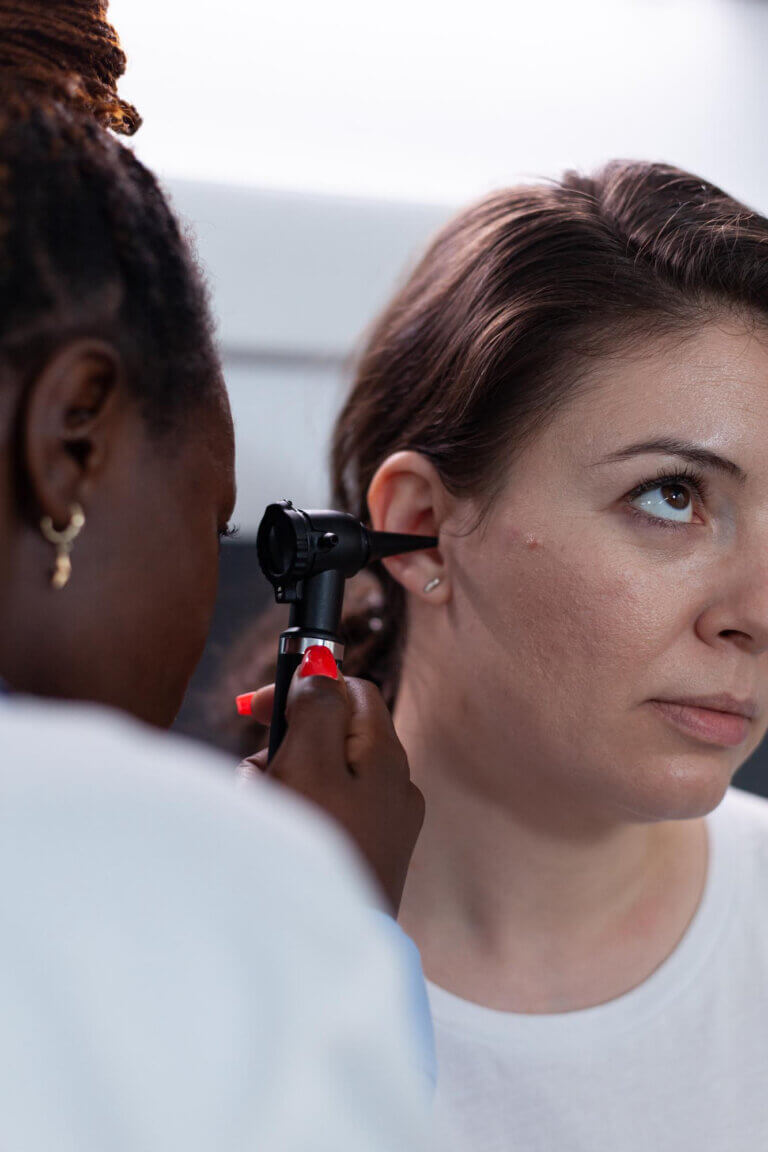
Choosing where to get an ear piercing is not only about jewelry style. It is about safe practices, accurate placement, and support during healing.
At TLC Skyn, Kollam our ear piercing approach is built around:
If you are prone to raised scars, it is worth discussing this before ear piercing. The American Academy of Dermatology notes that keloids can develop after skin injuries including piercings.
Ear piercing can be a simple way to personalize your appearance while keeping styling flexible. Benefits vary based on placement and jewelry choice.
Common benefits of ear piercing include:
For many clients, the biggest benefit is confidence in a look that feels personal while still being easy to wear daily.
A professional ear piercing visit typically follows a structured sequence that supports accuracy and hygiene.
We start by discussing your goal, your preferred side, and the style you want. This is also when we review health history that can influence ear piercing healing such as allergies, medications that affect bleeding, or past issues with piercings.
Your ear anatomy guides what placements will sit well. We mark the exact location and confirm symmetry with you before proceeding. This step is especially important for double piercing earrings and cartilage placements where small shifts can change the look.
The skin is prepared and the piercing is performed with controlled technique. The goal is a clean channel with minimal trauma so the body can begin healing in a predictable way.
Jewellery is placed immediately after ear piercing. Many first piercings start with piercing studs because they are stable during early healing. You will receive aftercare instructions tailored to your placement. A helix piercing or tragus piercing usually needs a longer healing window than the lobe.
Healing is a process. We share what is normal, what is not, and when to seek review. This helps reduce avoidable irritation from early jewelry changes, pressure while sleeping, or harsh products.


Most healthy adults are good candidates for ear piercing. Many teens can also be candidates depending on local consent requirements and the ability to follow aftercare.
You may be a good candidate for ear piercing if you:
You may need extra guidance or a delayed plan if you have very sensitive skin, a known metal allergy, a history of keloids, or you are currently dealing with dermatitis around the ear. If you are unsure, a short consultation before ear piercing helps clarify the safest next step.
Healing time depends on placement. Earlobe piercings often heal faster than cartilage locations. A helix piercing or tragus piercing typically takes longer and needs consistent aftercare.
Sensation varies by person and by location. Earlobe ear piercing is often described as a quick pinch. Cartilage areas can feel more intense and may remain tender longer. We perform it local anesthesia to make it painfree.
Changing jewellery too early can irritate the channel and delay healing. It is best to wait until the piercing is fully healed and then change carefully. This is especially important for cartilage earrings.
Keep the area clean with gentle care, avoid touching with unwashed hands, and avoid pressure from headphones or sleeping directly on the piercing. If you notice increasing redness, warmth, swelling, or discharge, seek review.
In many cases yes, especially for lobe placements. A brief assessment helps determine spacing and alignment so the final look is balanced.
Let’s check who we are associated with.