Call Us: +91 9072 80 66 55

Is your scar becoming more prominent? Do you notice a pain over the scar? These are basically keloid which are not just scars, they are raised firm growths that extend beyond the original wound edges. They may develop after acne, cuts, surgery, vaccination sites,
burns, or ear piercing. Many people seek help because keloids itch, feel tender, get irritated by clothing, or keep returning despite basic care.
At TLC SKYN in Kollam, keloid surgery is approached as a medical procedure supported by a long term scar control plan. The focus is safe removal, thoughtful closure, and structured follow up designed to reduce the chance of recurrence. If you are considering keloid surgery because a scar is growing, symptomatic, or returning, this page explains what it involves and what you can expect.
Keloid surgery is a procedure that removes keloid tissue while protecting nearby healthy skin. The surgeon also plans the closure carefully to reduce tension across the healing area, because tension can contribute to thick scar formation.
A keloid behaves differently from a typical scar. It reflects an overactive healing response and can continue enlarging beyond the original injury. For that reason, keloid surgery is rarely treated as a standalone step. It is usually combined with a tailored scar prevention strategy based on your skin type, previous scar behavior, and the body site involved.
In selected cases, supportive options such as keloid laser treatment with MNRF may be considered to help improve redness or texture as part of an overall plan. When scars are
extensive or located in cosmetically sensitive areas, planning may also follow principles used in keloid plastic surgery, with an emphasis on preserving shape, minimizing tension, and supporting a better scar outcome.


Keloids form when the body produces excess collagen during wound healing. Risk is influenced by genetic tendency, skin type, scar location, repeated irritation, and ongoing inflammation. Common sites include the chest, shoulders, upper back, jawline, and earlobes.
A key challenge is that keloids can recur after removal. Recurrence risk is higher when the area remains inflamed, the scar line is under tension, or the keloid has returned before. This is why keloid surgery should be planned with careful technique by an expert in the field and consistent follow up rather than quick removal
Anesthesia: Small keloids, such as those on the earlobe, can often be removed using local anesthesia in a clinic or office setting. Larger keloids may need general anesthesia and are usually treated in an operating room.
Recovery: Stitches are generally taken out within 6 to 14 days. However, full healing and the gradual fading of the smaller scar may take up to a year.
Risks: The main concern is that the keloid may return after treatment. Other possible side effects include thinning of the skin, lasting changes in skin color (lighter or darker patches), and a risk of
infection.
You may be a good candidate for keloid surgery if the keloid is growing beyond the original injury, causes symptoms, returns after earlier treatment, or interferes with daily life.
Signs that an evaluation for keloid surgery may be appropriate include:
● The scar continues to expand beyond the original wound
● Persistent itching, pain, tenderness, or recurrent inflammation
● Friction from clothing or shaving that triggers repeated irritation
● Reduced comfort or movement when the keloid is near a joint
● Previous non surgical care has not controlled the keloid
During consultation, we review your scarring history, family history, triggers such as acne or trauma, and any active skin inflammation that could affect healing
Our keloid surgery process is designed to be clear and medically guided, with attention to recurrence risk and scar behavior over time. Our Dermatologist and Plastic Surgeon conducts a detailed evaluation of the keloid
We assess size, firmness, color, symptoms, and how far the keloid extends beyond the original injury. We also review when it started, how fast it has changed, and any previous treatments.
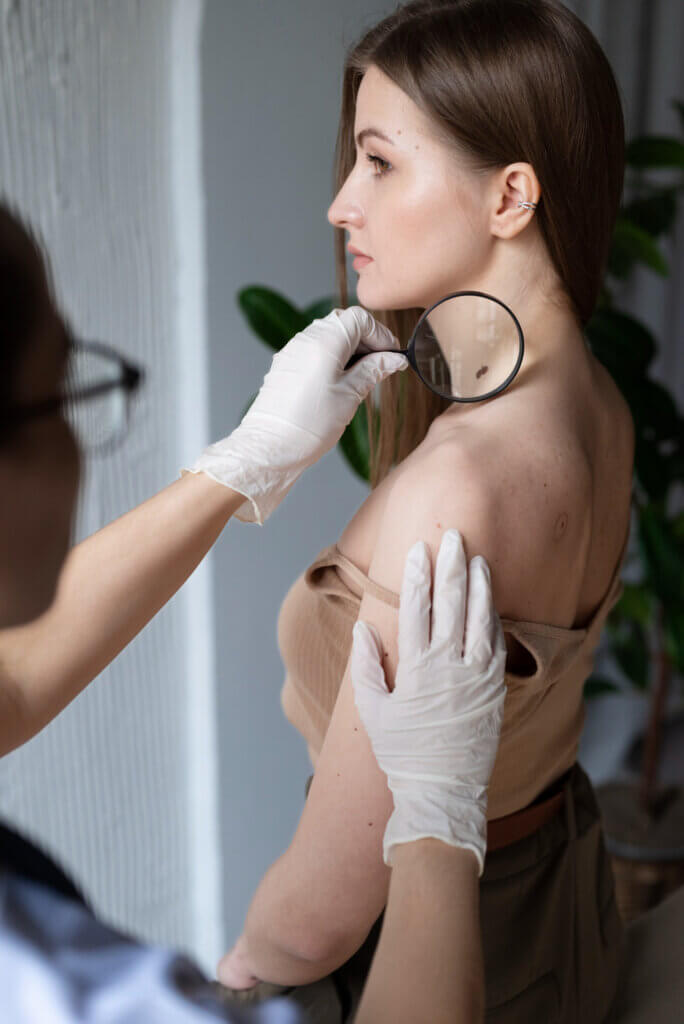

Choosing where to treat keloids matters because technique, planning, and follow up can influence outcomes. At TLC SKYN in Kollam, we focus on medical assessment, realistic expectations, and long term scar control planning around keloid surgery.
Our evaluation team by Dermatologist and Plastic Surgeon makes it unique and patient tailored.
What patients commonly value in our approach:
● Individualized assessment based on your keloid pattern and triggers
● Careful planning for keloid surgery that considers location and recurrence risk
● Structured follow up to monitor healing and address early changes
● Clear guidance on scar care and protection during recovery
If you have been told keloids always return, our goal is to help you understand your personal risk and the steps that can support a more stable outcome after keloid surgery.
For the right patient, keloid surgery can offer both symptom relief and a scar that is easier to manage.
Potential benefits include:
● Reduced bulk of the raised scar
● Relief from itching, tenderness, or recurrent irritation
● Improved comfort with clothing and daily activities
● Better ability to monitor the scar closely and respond early to changes
● Improved overall scar contour when paired with an appropriate prevention plan
An important point is that the goal of keloid surgery is not only removal. It is removal supported by technique, aftercare, and monitoring aimed at reducing recurrence.
Healing after keloid surgery is not only about the first few days. It is also about protecting the area while the scar matures. Most people need to avoid irritation such as rubbing, friction, and
unnecessary pressure on the site during recovery.
It is also normal for scars to change gradually over time. Some redness, firmness, or sensitivity can be part of the healing process. Because keloids can start to thicken again early, scheduled follow up is important after keloid surgery so any concerning change is identified promptly
If you have a raised scar that is growing, symptomatic, or returning, a consultation can clarify whether keloid surgery is suitable and what follow up plan may help reduce recurrence. TLC SKYN in Kollam provides evaluation and structured guidance so you understand your options, expected healing, and long term scar care.
The goal of keloid surgery is to remove the raised scar tissue and support better healing with a prevention plan that helps reduce recurrence.
In many cases, keloid surgery can reduce symptoms such as itching and tenderness by removing the bulky scar tissue, though follow up care matters for long term control.
No. Keloid laser treatment is not the same as keloid surgery. Laser can be used in selected cases as supportive care for scar redness or texture, while surgery focuses on removing the keloid tissue.
Consider an evaluation if the scar is growing beyond the original wound, causing symptoms, getting repeatedly irritated, or returning after previous treatment.
Keloids can recur, which is why keloid surgery is usually paired with a scar control strategy and regular follow up. Your individual risk depends on factors like location and past scar behavior.
Let’s check who we are associated with.