

Can Diet Really Cause Acne? Which Foods Should You Avoid?
The Day the Mirror Started Asking Questions
It begins the same way for most people.
You wake up, splash water on your face, and there it is – a fresh cluster of breakouts that wasn’t there yesterday. You haven’t changed your skincare routine. You’re washing your face twice a day. You’re not under any more stress than usual. So what changed?
You think back to the previous evening. A birthday celebration. Cake, chips, cold drinks, ice cream – a full indulgent spread.
Could it be… the food?
If you’ve ever asked yourself this question, you are not alone. In 2026, “can diet cause acne” remains one of the most searched skin-related queries on Google – and for good reason. The relationship between what we eat and how our skin behaves is more complex, and more real, than many people realise.
At TLC Skyn, Kollam’s trusted dermatology clinic, this is one of the most common conversations we have with patients who come in for acne treatment. Let’s walk through the science – and the story – together.
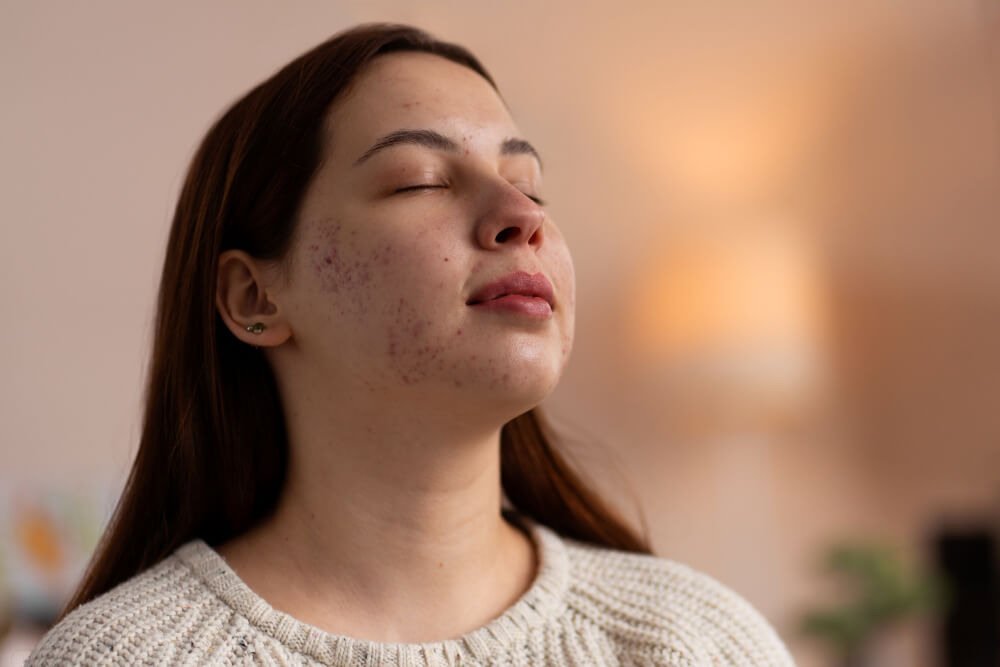
Why Was Diet Ever Dismissed as an Acne Trigger?
For decades, dermatologists told patients that food had nothing to do with acne. This belief stemmed from two poorly designed studies conducted in the 1960s and 1970s that found no clear link between chocolate consumption and breakouts. These studies were widely cited, and the “diet doesn’t matter” myth stuck around for nearly half a century.
But modern research tells a very different story.
A large-scale observational study involving over 24,000 adults found that people who frequently consumed fatty and sugary foods were significantly more likely to experience current acne. Peer-reviewed research published in journals like Dermato-Endocrinology has now confirmed that diet can influence the hormonal and inflammatory processes that drive acne formation.
In short: what you eat can, and does, affect your skin.
How Acne Actually Forms – The Biology Behind the Breakout
Before we talk about food, it helps to understand what is actually happening inside your pores.
Acne develops when four key events happen together:
- Excess sebum (oil) production by skin glands
- Clogged pores from dead skin cells and oil buildup
- Bacterial growth – specifically Cutibacterium acnes
- Inflammation triggered by the body’s immune response
Hormones play a huge role here. Androgens – like testosterone – stimulate sebum production. When androgen levels rise, oil production increases, pores get clogged, and the cycle begins. This is why hormonal shifts during puberty, the menstrual cycle, or conditions like PCOS can trigger breakouts.
Here’s the critical link: certain foods can spike hormones and promote inflammation, setting the entire acne cycle in motion. This is why acne treatment at TLC Skyn always involves a comprehensive skin assessment – not just topical solutions.
The Biggest Dietary Culprits: What the Evidence Says
1. High Glycemic Index (GI) Foods – The Sugar Spike Problem
This is where the most convincing evidence lives.
High glycemic index foods are those that cause a rapid spike in blood sugar. Think white bread, white rice, sugary cereals, soft drinks, candy, maida-based snacks, and most processed foods. When blood sugar spikes, the body releases insulin to bring it down.
Here’s the chain reaction that follows:
- Insulin spikes → triggers release of Insulin-like Growth Factor 1 (IGF-1)
- IGF-1 stimulates androgen production
- More androgens → more sebum
- More sebum → more clogged pores → acne
Multiple clinical studies have now confirmed that switching from a high GI diet to a low GI diet leads to measurable reductions in acne severity. One frequently referenced study found that participants who followed a low glycemic load diet for 12 weeks showed significantly fewer acne lesions compared to those eating their normal diet.
If you notice your skin flares up after a sugar-heavy meal or a plate of fried rice and papad, you now know why.
Foods to limit:
- White bread, naan, refined maida products
- Sugary drinks, packaged juices, energy drinks
- Chips, biscuits, and processed snacks
- White rice (in excess), instant noodles
Better alternatives:
- Brown rice, millets, oats, whole wheat roti
- Fresh fruits (low GI options like berries, apple, pear)
- Legumes and lentils
- Nuts and seeds
-
Dairy Products – The Hormonal Connection
The dairy-acne link is one of the most talked-about and researched relationships in dermatology today.
Cow’s milk – even low-fat and skim milk – contains naturally occurring hormones and bioactive molecules. These include androgens, oestrogen precursors, and a protein called whey that triggers IGF-1 release. Skim milk, counterintuitively, appears to be more acne-aggravating than full-fat milk in some studies, possibly because the fat removal changes its hormonal composition.
Research from Harvard University found a positive association between milk consumption and acne, particularly among teenage girls. The association held even after controlling for other dietary factors.
It’s important to note: dairy is not a trigger for everyone. Skin is highly individual. But if you’re experiencing persistent breakouts despite treatment, tracking your dairy intake is a worthwhile exercise.
Dairy products to monitor:
- Milk (especially skim or low-fat)
- Ice cream
- Whey protein supplements (very high IGF-1 stimulating potential)
- Cheese and paneer in large quantities
Alternatives to try:
- Plant-based milk (oat milk, almond milk, coconut milk)
- Soy-based alternatives
- Fermented dairy like curd (probiotic effect may actually help skin)
-
Ultra-Processed and Greasy Foods – The Inflammation Factor
While the old myth that “oily food = oily skin” is an oversimplification, there’s truth hiding inside it.
Ultra-processed foods – including fast food, fried snacks, and packaged meals – are typically high in trans fats, refined carbohydrates, and inflammatory omega-6 fatty acids. These promote systemic inflammation in the body, which is a known driver of acne.
Research published in 2020 found that frequent consumption of fast food such as burgers, nuggets, and fried items was associated with a 54% higher risk of acne. Sugary drinks added another 18% to that risk.
For those in Kerala, this means being mindful of your intake of deep-fried snacks, heavily sweetened chai, and sugar-heavy payasam during celebrations – not to eliminate them, but to be aware of patterns.
-
Chocolate – A Nuanced Answer
The original myth was that chocolate causes acne. The truth is more layered.
Pure dark chocolate with high cocoa content is not strongly linked to acne. The problem lies in commercially available milk chocolate, which is loaded with sugar, dairy, and refined fats – all of the triggers we’ve already discussed. It’s the milk and sugar in chocolate, not the cocoa, that is more likely to contribute to breakouts.
What Should You Eat for Clearer Skin?
Diet isn’t just about what to avoid. The right foods actively support skin health by reducing inflammation, regulating hormones, and supporting the skin barrier.
Skin-friendly foods to include:
| Food Group | Examples | Skin Benefit |
| Omega-3 Rich Foods | Fatty fish, flaxseed, walnuts | Reduces inflammation |
| Antioxidant-Rich Foods | Berries, spinach, tomatoes | Fights oxidative stress |
| Zinc-Rich Foods | Pumpkin seeds, legumes, whole grains | Regulates sebum production |
| Probiotic Foods | Curd, fermented foods | Supports gut-skin axis |
| Vitamin A Foods | Carrot, sweet potato, leafy greens | Promotes healthy skin cell turnover |
A balanced diet, rich in whole foods, fibre, and water, gives your skin the raw materials it needs to stay healthy. Staying hydrated – a minimum of 8 to 10 glasses of water per day – also supports toxin removal and skin clarity.
The Gut-Skin Axis: Your Gut Talks to Your Skin
Emerging research in 2026 points strongly to the connection between gut health and skin health, known as the gut-skin axis.
When the balance of bacteria in your gut is disrupted – a condition called gut dysbiosis – it can trigger inflammation that manifests on the skin. Poor diet, especially one high in processed foods and low in fibre, disrupts this balance. Eating a fibre-rich, probiotic-friendly diet helps maintain a healthy gut microbiome, which in turn supports clearer skin.
Diet Is One Piece of the Puzzle – But Not the Only Piece
It’s important to say this clearly: diet alone is rarely the sole cause of acne, and dietary changes alone may not be enough to resolve persistent or severe acne.
Acne is multi-factorial. Genetics, hormones, skincare habits, stress, environmental pollution, and medications all play their part. The acne treatment plan you need depends on the type and severity of your acne – whether it’s comedonal, inflammatory, cystic, or hormonal in nature.
If you are in Kollam or the broader Kerala region and are struggling with acne that isn’t responding to home remedies or over-the-counter products, a professional skin consultation is the most effective step you can take. At TLC Skyn, our dermatology team evaluates your skin comprehensively – including your lifestyle, diet patterns, and skin type – to create a personalised treatment plan.
We also offer acne scar treatment for those already dealing with the aftermath of breakouts, and open pores treatment for those whose acne has affected skin texture.
Frequently Asked Questions (FAQs)
Q1. Can eating oily food directly cause acne on the face?
Eating oily food does not directly transfer oil to your skin. However, diets high in trans fats and processed oils promote systemic inflammation, which can worsen acne over time. The connection is indirect but real.
Q2. How long does it take to see skin improvements after changing my diet?
Most people notice changes within 4 to 12 weeks of consistently following a low glycemic, anti-inflammatory diet. Skin cell turnover takes time, so patience is important. For faster and more reliable results, combining dietary changes with professional acne treatment is recommended.
Q3. Is dairy the main cause of hormonal acne?
Dairy can contribute to hormonal acne in some individuals due to the hormones and IGF-1 stimulating proteins it contains. However, not everyone reacts the same way. If you suspect dairy is a trigger, try eliminating it for 4 to 6 weeks and observe your skin’s response.
Q4. Does drinking more water help reduce acne?
Staying well-hydrated supports skin health by aiding toxin removal and maintaining the skin barrier. While water alone won’t cure acne, dehydration can worsen skin dullness and oil imbalance. Aim for at least 8 glasses per day.
Q5. Should I avoid all carbohydrates to prevent acne?
No. The issue is with refined, high glycemic carbohydrates – not all carbs. Whole grains, legumes, and vegetables are low glycemic and beneficial for skin health. A balanced diet is always more sustainable and effective than elimination.
Q6. Can acne caused by diet be treated by a dermatologist?
Yes. A dermatologist can help identify whether your acne is diet-related, hormonal, bacterial, or a combination – and tailor treatment accordingly. At TLC Skyn, Kollam, we approach acne holistically for the best long-term outcomes.
The Bottom Line: Listen to Your Skin, Then Listen to an Expert
Diet and acne are connected – but the relationship is nuanced, individual, and best understood with professional guidance. What triggers breakouts in one person may not affect another. The key is to pay attention to your skin’s patterns, make informed dietary adjustments, and seek professional help when needed.
Your skin is telling you something. In 2026, you have the science, the awareness, and the expert care available to actually listen.
If you’re ready to address your acne with a personalised, evidence-based approach, book a consultation at TLC Skyn in Kollam today. Our expert dermatology team is here to help you achieve the clear, healthy skin you deserve.