Radiofrequency Ablation
Book a consultation
Tell us your name and the conversation continues on WhatsApp.
Prefer to talk now? +91 9072 80 66 55
Watch
Every skin has
a story.
Every plan at TLC Skyn starts with the person, not the procedure.
Book a consultationRadiofrequency ablation in Kollam for precise removal of skin growths
Radiofrequency ablation uses a fine electrode carrying radio-wave current to cut, coagulate or ablate small skin growths with very little spread to the surrounding skin, which is why it’s often the better choice for delicate spots like around the eyes.
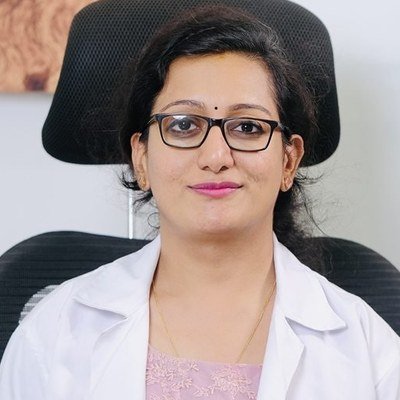
Dr. Swathy Krishna reaches for this over plain electrocautery when precision matters more than speed, smaller marks, work near the eyes or lips, or lesions where a cleaner edge makes a real difference to the result.
What is radiofrequency ablation?
The electrode tip itself doesn’t get hot, unlike a standard cautery probe. Instead, the current heats the tissue it passes through, right at the point of contact, which is why it’s sometimes called cold cautery. The device can cut, coagulate, or do both together, giving far finer control than a single-setting cautery tool, and noticeably less thermal spread into the skin around the lesion.
What it’s used for
This is the go-to for skin tags, warts, small moles, and dermatosis papulosa nigra, the small dark spots that show up around the cheekbones and eyes and are common on deeper skin tones. Syringomas and similar tiny bumps near the eyelids respond particularly well too, since the precision keeps the surrounding delicate skin untouched. If you already know it’s a skin tag or a wart, those pages cover the specifics for each.
How it compares to electrocautery
Both tools destroy the same kinds of small growths, so the honest answer is that the choice comes down to the lesion, not one being universally better. Plain electrocautery is quick and works fine for straightforward removals. Radiofrequency earns its place for anything closer to the eyes, lips, or other delicate areas, or where a cleaner cut matters more than speed. As with any destructive technique, it isn’t the right call for a lesion that’s changed, grown, or looks unusual. Those need a proper look and often a full excision with the tissue sent for testing, not ablation.
What to expect
Most lesions just need a topical numbing cream, with a small local anaesthetic injection for anything larger. Treatment itself takes a few minutes per spot, with no cutting into deeper tissue and no stitches. A light scab forms over the next day or two and clears within one to two weeks, leaving the skin underneath. Sunscreen over the area once it’s healed helps prevent it from darkening as it settles.
A safety note
Because current passes through the tissue during this procedure, anyone with a pacemaker or other implanted cardiac device should tell Dr. Swathy Krishna beforehand, along with any bleeding disorder or active infection at the treatment site. It’s a standard check before any electrosurgical procedure, not just this one.
Why choose TLC Skyn
Dr. Swathy Krishna, MBBS, DDVL, FAGE, decides which lesions suit radiofrequency, which suit plain electrocautery, and which need proper excision instead, rather than treating every small growth the same way. That judgement is what actually keeps results clean, particularly for anything near the eyes or other cosmetically sensitive spots.
Cost of radiofrequency ablation in Kollam
Cost depends on how many lesions are being treated and where they are, so we don’t quote a flat price online. Get in touch and Dr. Swathy Krishna can give you a proper number after taking a look.
Book your consultation
If you’ve got a stubborn skin tag, mole, or spots you’d like assessed, call TLC Skyn on +91 9072 80 66 55 or book a consultation with Dr. Swathy Krishna.
Frequently asked questions
How is this different from electrocautery?
The electrode itself doesn’t heat up, so there’s less spread into surrounding skin, useful for delicate areas.
Can it treat spots around my eyes?
Yes, this is one of the main reasons it’s chosen over plain cautery for that area.
Does it hurt?
Most people feel warmth or light pressure, especially with numbing cream applied first.
Is it safe with a pacemaker?
Tell Dr. Swathy Krishna beforehand, since current does pass through the tissue during treatment.
Will it leave a scar?
Usually a small, flat mark that fades, often less noticeable than with plain cautery.
How many sessions will I need?
Most lesions clear in one session, though a few conditions like DPN respond better with a short follow-up round.