Warts & Molluscum in Children
Dermatologist care for warts and molluscum contagiosum in children in Kollam.
Book a consultation
Tell us your name and the conversation continues on WhatsApp.
Prefer to talk now? +91 9072 80 66 55
Watch
Every skin has
a story.
Every plan at TLC Skyn starts with the person, not the procedure.
Book a consultationMedically reviewed by Dr Swathy Krishna S (MBBS, DDVL), Consultant Dermatologist, TLC Skyn, Kollam.
Warts and molluscum contagiosum are two common, benign viral skin infections that frequently affect children and teenagers. They look different, are caused by different viruses, and need different management, but both spread through skin-to-skin contact and tend to worry parents far more than they harm the child.
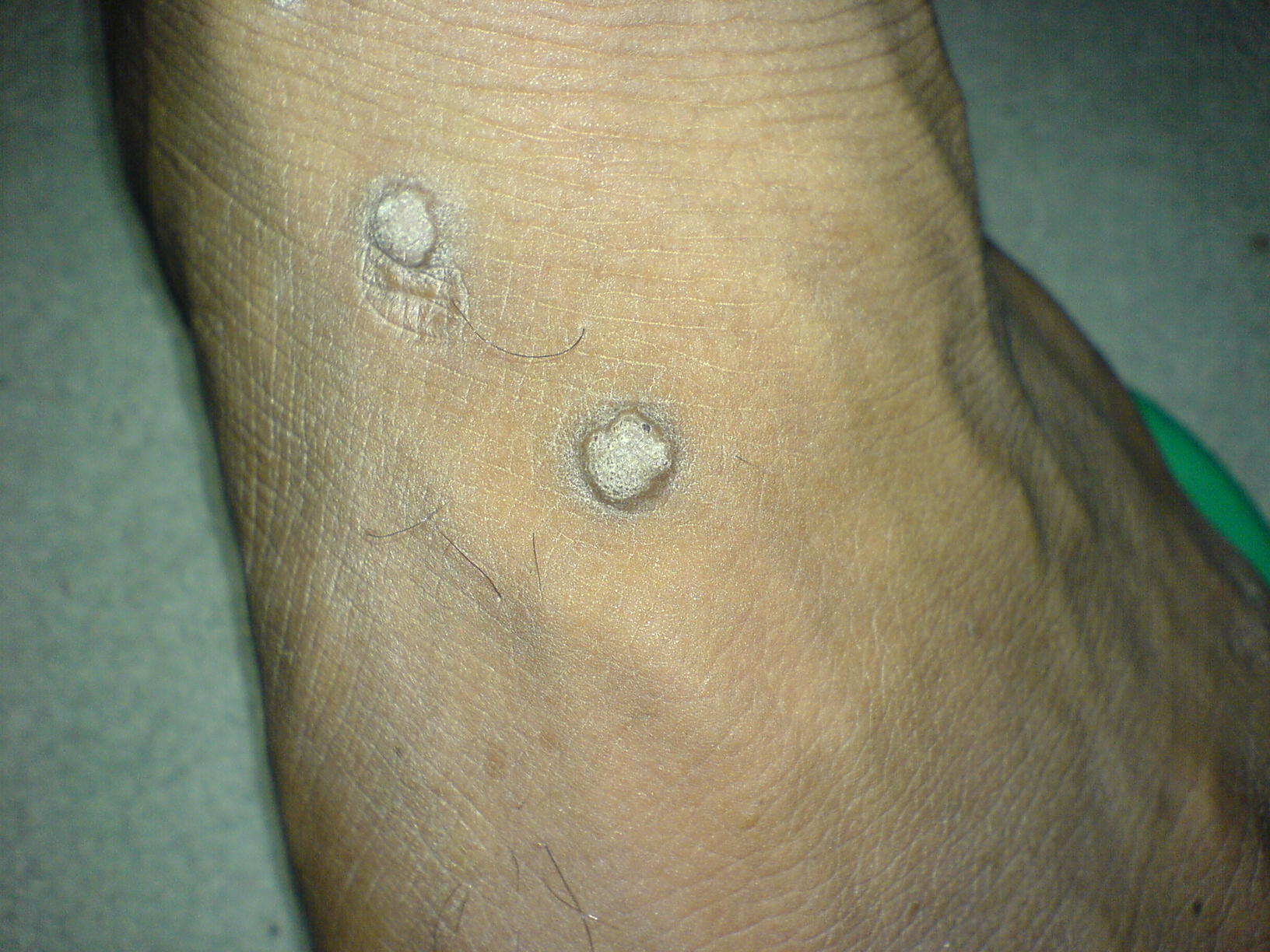
How to Tell Them Apart
The quickest way to understand these two conditions is to look at the bumps themselves.
| Feature | Warts | Molluscum contagiosum |
|---|---|---|
| Virus | Human papillomavirus (HPV) | Poxvirus |
| Look | Rough, grainy, raised growths, sometimes with tiny black dots | Smooth, dome-shaped, pearl-like bumps with a central dimple |
| Common sites | Hands, fingers, feet, face | Face, trunk, arms, legs, neck |
| Course | Can persist for months or longer | Often clears on its own within 6 to 12 months |
Warts feel hard and rough because the virus makes the top layer of skin grow thick. Molluscum bumps are softer, waxy, and usually have a small indentation in the centre, which dermatologists call umbilication.
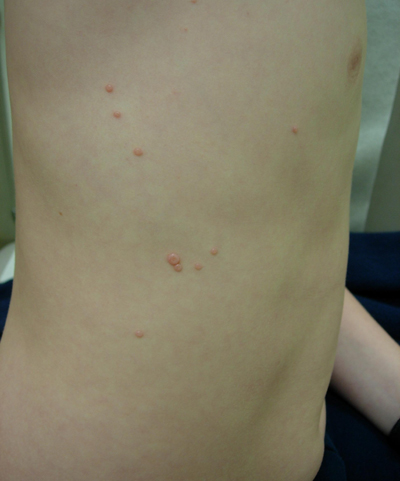
What Causes Them
Warts are caused by certain strains of HPV. The virus enters through tiny cuts, scratches, or broken skin, which is why children who bite their nails or pick at hangnails are more prone to them. The HPV strains that cause common warts are not the ones linked to cancer.
Molluscum is caused by a poxvirus. It spreads easily among children through direct skin contact, shared towels, bath sponges, and even pool water. In warm, humid places like Kollam, children often spend long hours in swimming pools and shared play areas, which makes transmission easier.
Neither condition is a sign of poor hygiene. A child who gets warts or molluscum is not dirty. These viruses are everywhere, and some children simply mount a slower immune response to them.
When to See a Dermatologist
Many warts and molluscum bumps eventually clear without treatment, but that can take many months, and in the meantime the bumps can spread, itch, bleed, or cause embarrassment at school.
Consider a dermatologist visit if:
- The bumps are on the face, eyelids, or genitals
- They are spreading quickly or multiplying
- The child picks at them, causing bleeding or secondary infection
- Warts are painful, especially on the soles of the feet
- The bumps have been present for more than a year
- Your child has eczema, because broken skin allows faster spread
Dr Swathy Krishna S, Consultant Dermatologist at TLC Skyn, sees warts and skin tags among the common paediatric concerns in her practice. Her approach is to explain the condition clearly first, then decide whether treatment is actually needed or whether watchful waiting is reasonable.
Treatment Options
Treatment depends on the child’s age, the number of bumps, and how much they bother the child.
For warts, dermatologists commonly use cryotherapy, which freezes the wart with liquid nitrogen, or radiofrequency and laser removal for stubborn or visible lesions. The goal is to remove the visible wart and trigger the immune system to clear the virus.
For molluscum, treatment is often gentler. Options include careful removal of the central core, cryotherapy, or topical preparations. Because molluscum often clears on its own, a dermatologist may recommend observation first, especially in very young children.
One mistake parents make is trying to cut, burn, or scrape these bumps at home. That causes pain, bleeding, scarring, and often spreads the virus further. Another common mistake is using wart removal creams meant for adults on a child’s face without medical guidance. These are not always suitable for molluscum and can irritate delicate skin.
At TLC Skyn, wart removal is offered using radiofrequency, laser, or cryotherapy depending on the lesion. Vyshnav, who visited for wart removal on the face, shared that “the staff explained everything clearly and handled the treatment with great care.” That kind of explanation matters for children, who are often anxious about procedures.
Home Care That Actually Helps
The most useful thing parents can do is stop the spread while the immune system works.
- Teach children not to pick, scratch, or bite the bumps
- Keep the area clean and dry
- Use a separate towel for the affected child
- Avoid sharing soap, bath sponges, or clothing
- Cover warts on the feet with waterproof plasters during swimming
- Trim fingernails short to reduce scratching damage
In Kollam’s humid climate, keeping skin dry is especially important. Damp, macerated skin breaks more easily, giving viruses an entry point.
What Parents Often Ask
Are warts dangerous?
No. Common warts, flat warts, and plantar warts are benign. They can be annoying and occasionally uncomfortable, but they are not harmful. The HPV strains involved are not the cancer-associated types.
What are flat warts on the face?
Flat warts are small, smooth, slightly raised bumps that often appear on the face, forehead, or backs of hands. In children and teens, they can spread quickly through shaving or scratching. They are flatter and less rough than common warts.
What is the full form of HPV?
HPV stands for human papillomavirus. It is a large family of viruses, and only some strains cause warts. The strains that cause common skin warts are different from those linked to cervical or other cancers.
Are warts a hygiene issue?
No. Warts and molluscum are viral infections, not a reflection of cleanliness. A well-bathed child can still get them. They spread through skin contact and shared objects, not because a child is unwashed.
Can these be treated without visiting a clinic?
A dermatologist can assess many cases through photographs and a detailed history. TLC Skyn offers online and WhatsApp consultations with weekly monitoring, which works well for families who cannot visit in person, including those outside Kollam or abroad. Many concerns can begin with an online consultation, and the doctor can then guide whether an in-person visit is needed.
If your child has bumps that are spreading, painful, or simply not going away, the practical next step is a proper assessment. A dermatologist can confirm what the bumps are, tell you whether treatment is needed, and prevent unnecessary procedures on a child’s skin.