Childhood Acne
Age-appropriate acne care for newborns, infants and children in Kollam.
Book a consultation
Tell us your name and the conversation continues on WhatsApp.
Prefer to talk now? +91 9072 80 66 55
Watch
Every skin has
a story.
Every plan at TLC Skyn starts with the person, not the procedure.
Book a consultationChildhood acne is not one condition but several, and the right response depends almost entirely on the child’s age. A newborn with tiny red bumps on the cheeks usually needs nothing more than patience, while true acne in a four-year-old warrants a proper medical evaluation because it can signal an underlying hormonal issue. Understanding which type you are dealing with is the first and most important step.
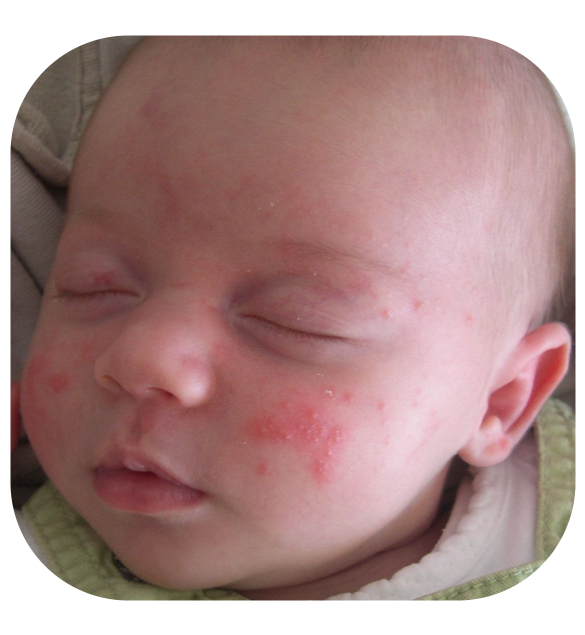
How Childhood Acne Changes With Age
The term “childhood acne” covers three distinct presentations that behave very differently from one another. Knowing the age boundaries helps parents avoid unnecessary worry and, just as importantly, avoid missing something that genuinely needs attention.
Neonatal acne, sometimes called neonatal cephalic pustulosis, affects roughly 20% of healthy newborns in the first three months of life. It shows up as small red bumps or pustules on the cheeks, nose, forehead, and sometimes the neck and upper trunk. There are no blackheads or whiteheads, and the condition is now understood to be a reaction to normal skin yeast, Malassezia, rather than true acne. It clears on its own without treatment in the vast majority of cases.
Infantile acne appears between a few months and two years of age and is more common in boys. Unlike neonatal acne, this is true acne: it includes comedones, papules, pustules, and occasionally nodules or cysts. It is thought to result from a temporary surge in testosterone causing overactivity of the skin’s oil glands. Most affected children have no underlying hormonal problem, but infantile acne can leave scars, so it deserves more active management.
Mid-childhood acne, defined as true acne appearing between roughly one and seven years of age, is rare and atypical. When comedones and inflammatory lesions appear in this window, current dermatology guidance recommends a hormonal work-up because it can point to an endocrine disorder. This is the age group where a “wait and see” approach is not appropriate.
| Age Group | Typical Features | Usual Approach |
|---|---|---|
| Neonatal (0-3 months) | Red bumps, pustules, no comedones | No treatment, clears on its own |
| Infantile (1.5 months – 2 years) | Comedones, papules, occasional cysts | Gentle care, topical treatment if needed |
| Mid-childhood (1-7 years) | True comedones and inflammatory acne | Medical evaluation, hormonal work-up |
What Parents in Kollam Should Know About Climate and Care
Kollam’s humid, coastal climate creates conditions that can aggravate childhood acne. Heat and humidity increase sweating, and sweat combined with oil can further clog pores and irritate inflamed skin. Children who play outdoors, especially during the hotter months, often develop more noticeable breakouts on the forehead, chest, and back.
A few practical adjustments help. Dress children in loose, breathable cotton rather than synthetic fabrics that trap heat and moisture. Rinse the skin with plain water after heavy sweating and pat dry rather than rubbing. Avoid heavy oils and greasy hair products, which can transfer to the face and worsen clogged pores. These measures do not cure acne, but they reduce the environmental burden that makes it harder to manage.
Treatment Principles That Actually Matter
The single most common mistake parents make is treating every bump as if it were the same condition. Neonatal acne needs no treatment at all. Applying adult acne products, harsh scrubs, or home remedies to a newborn’s skin can cause irritation far worse than the original rash. Gentle cleansing with water and a mild, fragrance-free baby cleanser is enough.
For infantile acne, the approach is more active but still measured. Mild cases may respond to a gentle cleanser and a lightweight, non-comedogenic moisturiser. When comedones or inflamed lesions persist, a paediatric dermatologist may recommend a topical treatment such as benzoyl peroxide at a low concentration, or a topical retinoid. These should only be used under medical guidance because young skin absorbs products differently and is more prone to irritation.
Over-the-counter acne products designed for teenagers are generally not appropriate for children under seven. Adult-strength salicylic acid, strong benzoyl peroxide preparations, and abrasive scrubs can damage the skin barrier. If a product stings badly, leaves the skin red and peeling, or worsens the breakout, stop using it and seek advice.
When to See a Dermatologist
Certain signs should prompt a visit to a specialist rather than continued home management. Acne that appears in mid-childhood, especially with other signs such as unusual hair growth, rapid growth, or body odour, needs a hormonal evaluation. Severe infantile acne with nodules or cysts should be seen early because of the scarring risk. Acne that causes emotional distress, avoidance of school or social activities, or persistent picking also warrants professional support.
TLC Skyn provides dermatology care for children in Kollam, with an approach that matches treatment intensity to the child’s age and the type of acne present. A proper diagnosis can distinguish between a harmless newborn rash, straightforward infantile acne, and the rarer mid-childhood presentations that need further investigation.
Frequently Asked Questions
Can your face swell from acne?
Yes, though it is uncommon in typical childhood acne. Severe inflammatory lesions, particularly nodules and cysts, can cause localised swelling in the surrounding skin. If significant facial swelling develops, especially with pain or fever, it needs prompt medical assessment to rule out infection.
What are some good skincare products for acne?
For children, the best products are the simplest: a mild, fragrance-free cleanser, a non-comedogenic moisturiser, and, when prescribed, a low-strength topical treatment such as benzoyl peroxide or a topical retinoid. Avoid products with multiple active ingredients, added fragrance, or abrasive particles, which tend to irritate young skin.
How to deal with acne anxiety?
Acknowledge the child’s feelings without dismissing them. Help them understand that acne is a medical condition, not a result of poor hygiene or something they did wrong. Avoid commenting repeatedly on their skin, and focus on consistent treatment rather than daily scrutiny. If anxiety persists or affects school and friendships, speak with a paediatrician or counsellor.
What can I do if my chin acne won’t go away?
Persistent chin acne in a child may need a different approach than what has been tried. It is worth reviewing whether the current products are appropriate for the child’s age, whether anything is being applied too frequently, and whether there are habits like chin resting or picking that perpetuate the breakout. A dermatologist can assess whether a prescription treatment or further evaluation is needed.