Hair Loss and Dandruff in Children
Dermatologist care for dandruff, scalp conditions and hair loss in children in Kollam.
Book a consultation
Tell us your name and the conversation continues on WhatsApp.
Prefer to talk now? +91 9072 80 66 55
Watch
Every skin has
a story.
Every plan at TLC Skyn starts with the person, not the procedure.
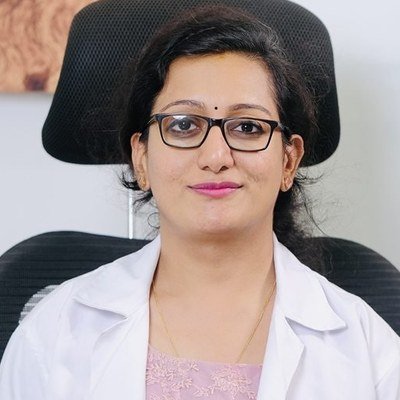
Book a consultationMedically reviewed by Dr Swathy Krishna S (MBBS, DDVL), Consultant Dermatologist, TLC Skyn, Kollam.
Hair loss and dandruff in children often occur together, and in most cases both are treatable once the underlying cause is identified. Dandruff in children is usually linked to scalp irritation, yeast overgrowth, or seborrhoeic dermatitis, while hair fall can stem from scalp inflammation, nutritional gaps, stress, or underlying skin conditions. Parents in Kollam often notice the two together because an irritated, flaky scalp weakens the hair’s anchoring and increases shedding.
What Parents Usually Notice First
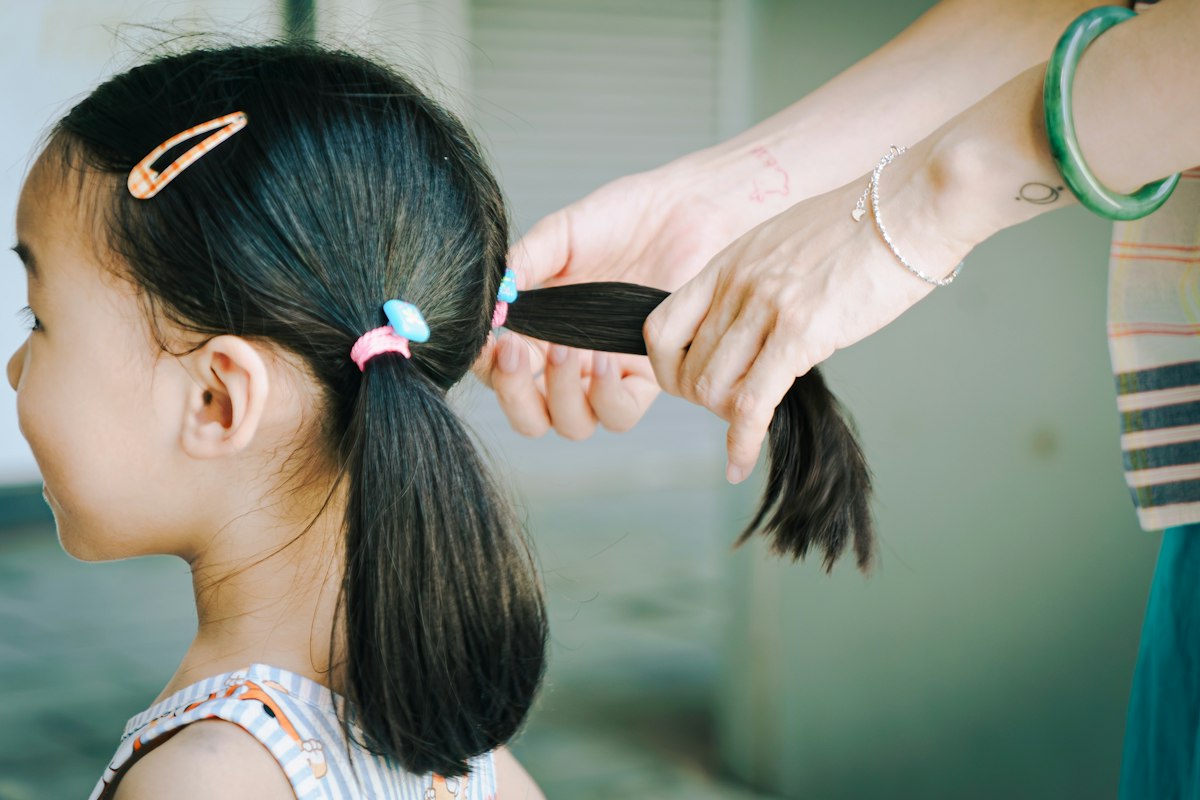
Some children develop visible white or yellowish flakes on the scalp and shoulders. Others lose more hair than usual while combing, washing, or after waking up. In many cases, the scalp looks red or greasy, and the child scratches more often, especially in humid weather. Kollam’s coastal climate means heat and sweat can make dandruff worse, and scratching then loosens already fragile hair.
Common Causes in Children
The causes are not the same as adult hair loss. In children, the more common triggers include:
- Seborrhoeic dermatitis: a greasy, flaky scalp condition that can extend to the eyebrows and behind the ears
- Tinea capitis: a fungal infection of the scalp, more common in school-age children, which can cause patchy hair loss
- Alopecia areata: an autoimmune condition where smooth, round bald patches appear suddenly
- Telogen effluvium: temporary shedding after fever, illness, or stress
- Nutritional deficiencies: low iron, vitamin D, or protein can slow hair regrowth
- Harsh hair care: tight braids, chemical products, or vigorous combing
Dandruff itself is not usually the direct cause of hair loss, but the inflammation and scratching it triggers can contribute to increased shedding.
Symptoms That Need Attention
Parents should watch for flakes that persist despite regular washing, redness or swelling, broken hairs at the surface, scaly patches, or hair loss that leaves completely smooth bald spots. If the child complains of itching that disturbs sleep, or if patches spread quickly, a dermatologist’s evaluation is needed. Dr Swathy Krishna S notes that in children, the history often matters as much as the scalp examination: recent fever, medication, diet patterns, and even school stress can point to the real trigger.
When to See a Dermatologist
A dermatologist visit is appropriate when hair loss lasts more than a few weeks, when flakes are thick or crusted, when there are bald patches, or when home care has not helped. In Kollam, parents sometimes delay evaluation because they assume the problem is “just dandruff” or that hair will grow back on its own. That is true in some cases, but not all. Fungal infections, for example, need specific treatment and can spread within a household if left untreated.
How a Dermatologist Evaluates the Problem
At TLC Skyn, the first consultation is thorough and usually close to an hour. Dr Swathy Krishna S listens to the child’s history, diet, daily routine, and any recent illness before recommending anything. The approach is to treat the root cause rather than offer a one-off fix. For dandruff, that may mean a medicated wash routine plus guidance on how often to wash and what to avoid. For hair loss, the plan depends on the diagnosis and may include topical treatment, nutritional correction, or procedures such as GFC hair therapy in older teens where appropriate.
Treatment Options at TLC Skyn
The clinic offers dandruff treatment, hair loss treatment, and GFC hair treatment. GFC, or growth factor concentrate therapy, is used in suitable cases of hair thinning and pattern hair loss, though it is not a first-line option for every child. The decision is made only after diagnosis. For younger children, treatment is usually simpler: medicated scalp care, dietary adjustments, and close follow-up. The clinic also provides online and WhatsApp consultations with weekly monitoring, which helps families outside Kollam or abroad who cannot visit in person.
Home Care Tips for Parents
These steps help while waiting for a consultation or alongside treatment:
- Wash the scalp regularly with a mild shampoo suited to the child’s scalp type
- Avoid harsh anti-dandruff products meant for adults unless prescribed
- Keep the child’s combs, towels, and pillowcases clean and separate
- Do not scratch or pick at flakes; it worsens inflammation
- Avoid tight hairstyles that pull on the scalp
- Ensure the child eats enough protein, iron, and vitamin D through regular meals
One common mistake is applying oil heavily to a flaky scalp. In humid weather, oil can trap sweat and yeast, making dandruff worse. Another is switching between multiple over-the-counter shampoos without a clear plan, which can irritate the scalp further.
What Treatment Actually Looks Like
| Concern | What a Dermatologist May Recommend | What to Expect |
|---|---|---|
| Mild dandruff | Medicated wash routine, scalp hygiene guidance | Improvement over a few weeks |
| Seborrhoeic dermatitis | Anti-inflammatory scalp care, lifestyle adjustments | Flare-ups reduce with consistent care |
| Fungal infection | Specific antifungal treatment after diagnosis | Needs close follow-up to confirm clearance |
| Hair thinning in teens | GFC hair therapy where suitable, nutritional support | Results develop over months, not days |
Patient reviews reflect real experiences, not guarantees. Abhija SRaj23 shared after GFC treatment, “In 2 weeks,there is a good improvement in hair loss.” AROMAL SURESH said, “I have a great change in my hair fall.” These are individual accounts, and outcomes vary from child to child.
Frequently Asked Questions
What are some home remedies for hair fall?
Gentle scalp massage, regular washing with a mild shampoo, and a balanced diet with adequate protein and iron are the most practical home measures. Avoid home remedies that promise rapid regrowth, especially harsh pastes or adult-strength products. If shedding continues beyond a few weeks, consult a dermatologist rather than experimenting further.
What are the treatment options for hair loss?
Treatment depends on the cause. It may include medicated scalp care, nutritional correction, topical applications, or procedures like GFC hair therapy for suitable cases of thinning. A dermatologist determines which option fits after examining the child and reviewing the history.
How to avoid hair fall?
Regular scalp hygiene, a nutrient-dense diet, gentle combing, and avoiding tight hairstyles reduce preventable shedding. Treating dandruff early also helps, since an inflamed scalp sheds more. For persistent hair fall, an early consultation is more effective than trying multiple products.
How much does a hair spa treatment typically cost in Kollam?
Costs vary by clinic, the products used, and the number of sessions. Rather than focusing on price alone, parents should consider whether the treatment addresses the actual scalp or hair condition. A proper diagnosis first often saves money spent on treatments that do not fit the problem.
Parents who notice hair loss and dandruff in children can begin with simple scalp care at home, but persistent or patchy hair loss deserves a proper evaluation. At TLC Skyn, Dr Swathy Krishna S provides a diagnosis-first approach, no unnecessary products, and close follow-up, including online and WhatsApp support for families who cannot visit the clinic in person. Book a consultation to get started.