Teen Acne
Dermatologist-led teen acne treatment in Kollam, from first breakouts to cystic acne and marks.
Book a consultation
Tell us your name and the conversation continues on WhatsApp.
Prefer to talk now? +91 9072 80 66 55
Watch
Every skin has
a story.
Every plan at TLC Skyn starts with the person, not the procedure.
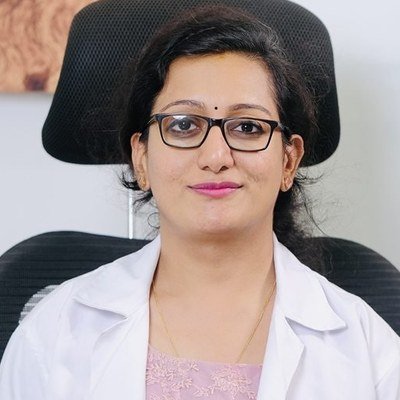
Book a consultationMedically reviewed by Dr Swathy Krishna S (MBBS, DDVL), Consultant Dermatologist, TLC Skyn, Kollam.
Teen acne is a normal, treatable skin condition caused when hair follicles become clogged with oil and dead skin cells. For most teenagers in Kollam, the combination of hormonal changes, humidity, and everyday habits such as touching the face or using heavy hair oils makes breakouts more likely, but the right routine and early treatment can control it well.
What Teen Acne Actually Is
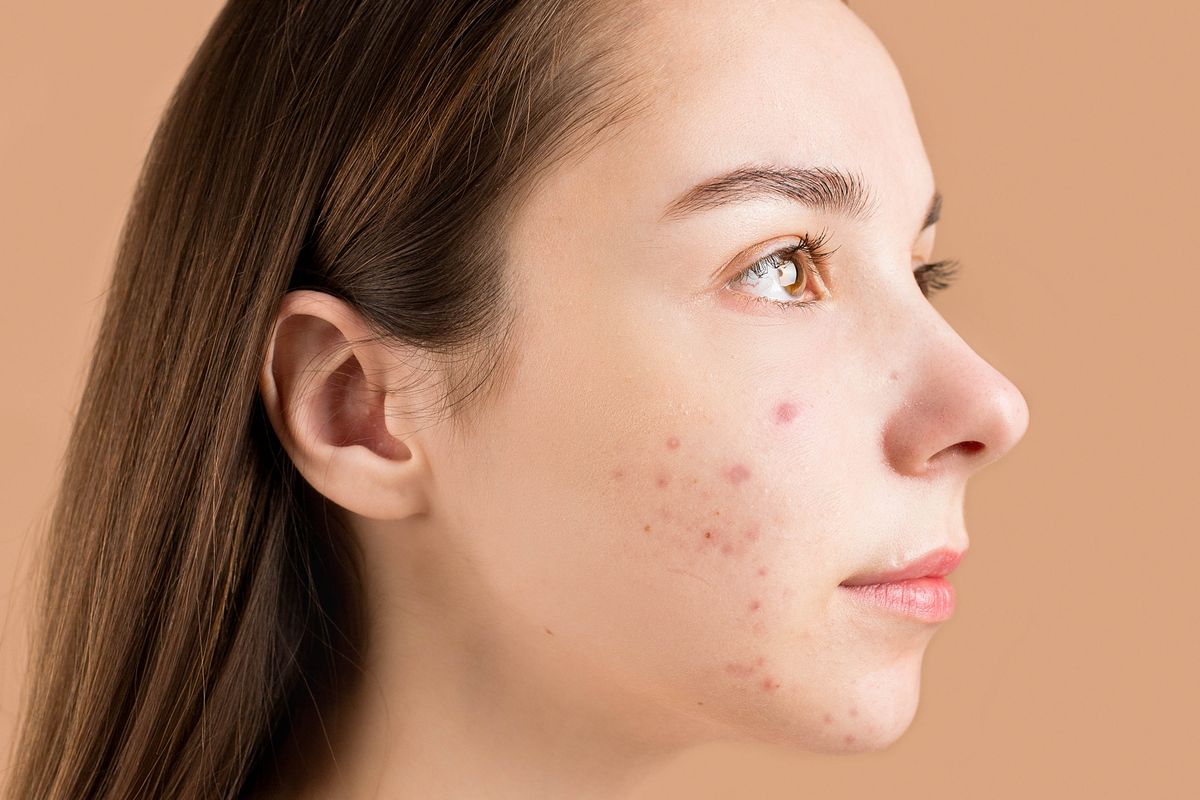
Acne happens when sebum, the skin’s natural oil, mixes with dead skin cells inside a pore. Bacteria called Cutibacterium acnes then multiply in that clogged pore, leading to inflammation. Teen acne usually shows up as blackheads, whiteheads, small red bumps, pus-filled pimples, or deeper, painful lumps called nodules and cysts. The forehead, nose, cheeks, chest, and back are the most common areas.
Hormones called androgens rise during puberty and make the oil glands larger and more active. That is why a 13-year-old with pimples is not unusual; it is one of the most common skin changes of adolescence.
Causes and Everyday Triggers
Hormones are the starting point, but several local and lifestyle factors make teen acne worse in Kollam.
| Trigger | How It Affects Teen Skin |
|---|---|
| Humidity and sweat | Sweat mixes with oil and dirt, clogging pores, especially on the forehead and back |
| Hair oil and fringes | Coconut oil or styling products can transfer to the forehead and temples |
| Picking and squeezing | Pushes bacteria deeper and raises the risk of permanent scars |
| High dairy and sugar intake | May increase oil production and inflammation in acne-prone teens |
| Harsh scrubbing | Irritates the skin barrier and can trigger more oil production |
Diet is not the sole cause, but Dr Swathy Krishna S notes that reducing dairy and sugar often helps alongside treatment. Stress, irregular sleep, and certain cosmetic products can also contribute.
Symptoms Worth Watching
Mild acne includes blackheads, whiteheads, and a few small pimples. Moderate acne involves more widespread red bumps and pus-filled spots. Severe acne includes deep, painful nodules or cysts that can leave scars. Any teen who feels embarrassed, avoids social situations, or notices dark marks after pimples heal should see a dermatologist early, because treating active acne is always easier than treating acne scars later.
When to See a Dermatologist
A consultation is worth booking when over-the-counter cleansers have not helped after about eight weeks, when acne is painful or leaving marks, or when it affects confidence and school life. Dr Swathy Krishna S recommends treating the root cause step by step rather than chasing one-off fixes. At TLC Skyn in Kollam, the first consultation is thorough, often close to an hour, and covers the teen’s routine, diet, lifestyle, and previous products before any treatment is suggested.
Treatment Options at TLC Skyn
The clinic treats acne and acne scars with a staged plan. Controlling active acne comes first, often with a combination of prescription topical care and, where suitable, chemical peels. Once the skin is calmer, the focus shifts to fading marks and improving texture. Dr Swathy Krishna S prescribes only what is needed and allows patients to keep suitable products they already use.
Shafana Wahab shared that after six months of consistent skin care and minimal treatment, she “had great results” and described Dr Swathy as “one of the best dermatologist in Kollam” for effective acne treatment. Anjali Vimal, who visited for cystic acne and scars, said the team “properly understand you and your skin first, and then suggest a treatment line.”
For families outside Kollam or living abroad, online and WhatsApp consultations with weekly monitoring are available, so location is not a barrier to starting care.
Home Care Tips That Actually Help
Use a gentle, fragrance-free cleanser twice a day, and wash again after sports or heavy sweating. Apply a light, non-comedogenic moisturiser even if the skin is oily, because dehydrated skin produces more oil. Avoid scrubbing, and keep hair clean and away from the face. Change pillowcases often and clean phone screens daily.
Do not pick, squeeze, or pop pimples. Do not layer multiple strong actives at once, and do not stop a prescribed routine the moment skin improves. Consistency matters more than intensity.
Frequently Asked Questions
What are the best skin care products for teenagers?
A gentle cleanser, a light non-comedogenic moisturiser, and a broad-spectrum sunscreen are the core. Active ingredients such as salicylic acid or benzoyl peroxide can help, but the right choice depends on skin type and acne severity, so a dermatologist’s guidance prevents irritation.
My 13-year-old has pimples. Is this normal?
Yes. Hormonal changes during puberty make oil glands more active, so mild breakouts at this age are common. If pimples are painful, widespread, or leaving marks, an early consultation can prevent them from worsening.
What are the best skin care products for 13-year-olds in India?
For humid weather, a gentle foaming cleanser, a light gel or water-based moisturiser, and a non-sticky sunscreen work well. Avoid heavy creams, strong scrubs, and multiple active ingredients at once unless a dermatologist has recommended them.
Which skincare is best for a 13 year old girl?
Start simple: a mild cleanser, a light moisturiser, and sunscreen every morning. If blackheads or pimples appear, a dermatologist can add one targeted active rather than a long routine. Diet and lifestyle guidance, such as reducing dairy and sugar, often forms part of the plan at TLC Skyn.
The most useful step a parent can take is to book a consultation early, bring the teen’s current products along, and let the dermatologist build a plan that fits the teenager’s skin, routine, and budget.