Electrocautery
Book a consultation
Tell us your name and the conversation continues on WhatsApp.
Prefer to talk now? +91 9072 80 66 55
Watch
Every skin has
a story.
Every plan at TLC Skyn starts with the person, not the procedure.
Book a consultationElectrocautery treatment in Kollam for skin tags, warts and small growths
Electrocautery uses heat from a fine electrode to remove small skin growths in a single visit, usually with no cutting and no stitches, leaving just a small scab that heals over a week or two.
It’s less a treatment for one specific condition and more the tool Dr. Swathy Krishna reaches for across quite a few of them, skin tags, warts, small bumps that have been catching on clothes or bothering someone for months. If you already know what you’re dealing with, our dedicated pages on skin tags and warts go into more detail on those specifically.
What is electrocautery?
A fine, heated tip is touched briefly to the growth, and the heat seals and destroys the tissue right there, sometimes after a light scrape first to flatten thicker lesions. There’s no incision and nothing to stitch closed afterward, which is the main thing that sets it apart from a full excision like a mole or dermatofibroma removal, where cutting out the whole lesion and closing the skin is the point.
What it can treat
Electrocautery works well on skin tags, common and plane warts, small fibromas, and similar small, benign growths sitting on the surface of the skin. It’s not the right tool for everything though. Anything that’s changed shape, grown quickly, bled on its own, or just looks unusual needs a proper look and often a biopsy first, rather than being burned off on the spot. Dr. Swathy Krishna checks this before treating anything, not after.
How the treatment works
Most lesions only need a topical numbing cream, though a small local anaesthetic injection is used for anything larger or more sensitive. The heat is applied for a few seconds per spot, and most single growths are done in minutes. Warts are viral, so they can come back even after a clean removal, and a second short session sometimes finishes the job.
A quick safety note
If you have a pacemaker or any implanted cardiac device, a bleeding disorder, or an active infection at the site, tell Dr. Swathy Krishna before treatment. It’s a standard precaution with any heat or current-based procedure, and it takes a minute to check rather than assume.
What to expect afterward
There’s no bandaging beyond a small dressing, and a scab forms over the next day or two. It usually flakes off within one to two weeks, leaving healthy skin underneath. Keep it clean and resist picking at it, and once it’s fully healed, sunscreen over the spot helps stop it from darkening as it settles, especially on deeper skin tones.
Why choose TLC Skyn
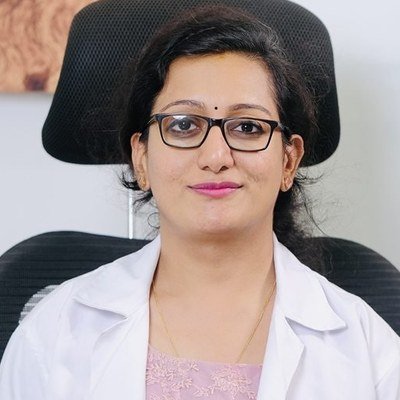
Dr. Swathy Krishna, MBBS, DDVL, FAGE, examines every lesion before deciding electrocautery is actually the right call, rather than defaulting to it because it’s quick. That judgement matters more than the procedure itself, since the real risk with any of these small growths is treating something that needed a biopsy instead.
Cost of electrocautery in Kollam
Cost depends on the number and size of growths being treated, so we don’t post a flat price online. Get in touch and Dr. Swathy Krishna can quote properly once she’s seen what you’re dealing with.
Book your consultation
If you’ve got a skin tag, wart or small growth you’d like looked at, call TLC Skyn on +91 9072 80 66 55 or book a consultation with Dr. Swathy Krishna.
Frequently asked questions
Does electrocautery hurt?
Most people feel pressure or warmth rather than pain, especially with numbing cream on beforehand.
Will it leave a scar?
Usually just a small, flat mark that fades, though this varies by lesion and skin type.
How long does healing take?
A scab forms within a day or two and clears in one to two weeks.
Is it safe with a pacemaker?
Tell Dr. Swathy Krishna beforehand so she can check before going ahead.
Can the growth come back?
Warts sometimes do, since they’re viral, other growths usually don’t.
Is this the same as laser removal?
No, it’s a heated electrode rather than a laser, a different tool for similar small growths.