Childhood Skin Infections
Dermatologist care for bacterial, viral, fungal and parasitic skin infections in children in Kollam.
Book a consultation
Tell us your name and the conversation continues on WhatsApp.
Prefer to talk now? +91 9072 80 66 55
Watch
Every skin has
a story.
Every plan at TLC Skyn starts with the person, not the procedure.
Book a consultationMedically reviewed by Dr Swathy Krishna S (MBBS, DDVL), Consultant Dermatologist, TLC Skyn, Kollam.
Childhood skin infections fall into four main groups: bacterial, viral, fungal, and parasitic. Most are common, treatable, and resolve well with the right care, but some need a dermatologist’s attention to prevent spread, scarring, or complications. In Kollam’s warm, humid climate, fungal infections especially tend to linger, so parents often benefit from knowing what they are looking at and when to get help.
Common Childhood Skin Infections and Their Signs
The table below groups the infections parents in Kollam most often ask about.
| Type | Common Examples | Typical Appearance | Key Point for Parents |
|---|---|---|---|
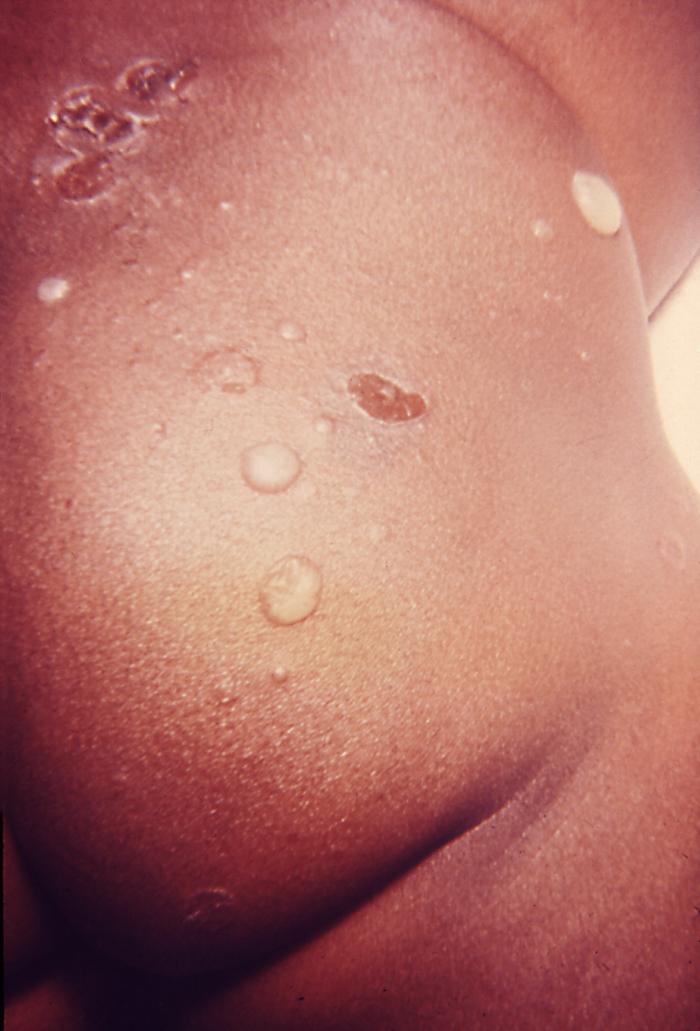
| Bacterial | Impetigo, boils, folliculitis, cellulitis | Honey-coloured crusts, red swollen tender skin, pus-filled bumps | Impetigo spreads fast; cellulitis can cause fever |
| Viral | Warts, molluscum contagiosum | Flesh-coloured or pink bumps, sometimes with a central dimple | Often self-limiting but can spread by scratching |
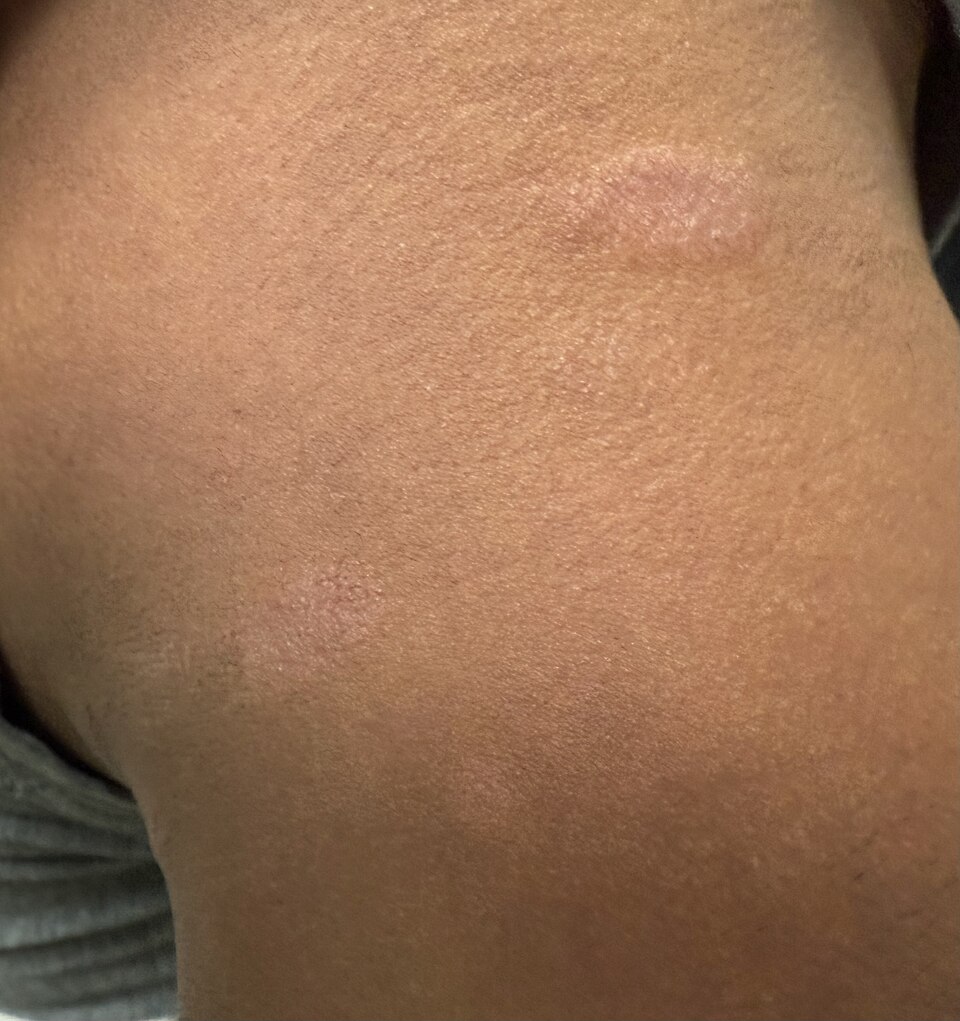
| Fungal | Ringworm, candidiasis | Ring-shaped scaly patches, redness in skin folds | Thrives in heat and sweat; needs consistent treatment |
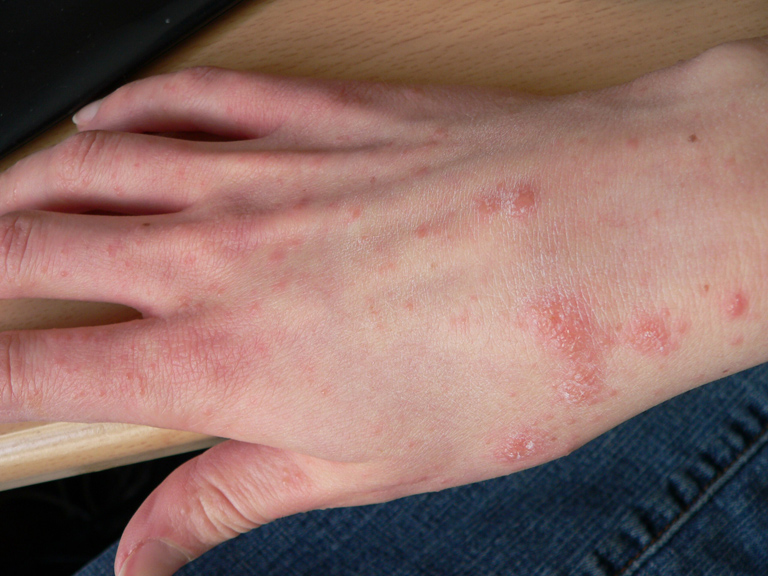
| Parasitic | Scabies | Intensely itchy bumps, often between fingers and on wrists | Whole family may need treatment at the same time |
What Causes These Infections
Bacterial infections like impetigo usually start when Staphylococcus or Streptococcus bacteria enter through a cut, insect bite, or eczema patch. Cellulitis goes deeper, into the skin and underlying tissue, and can make a child feel unwell with fever.
Viral infections such as warts and molluscum contagiosum spread through skin contact or shared towels and toys. Children’s developing immune systems make these more common in early years, and they often clear on their own over months, though some need treatment when they spread or bother the child.
Fungal infections, particularly ringworm, love Kollam’s humidity. Sweat, tight clothing, and shared sports equipment create the warm, moist conditions fungi need. These infections do not usually go away without antifungal treatment, and stopping treatment too early is a common reason they return.
Parasitic infections like scabies are caused by mites that burrow into the skin. The itching is often worse at night. Because scabies spreads through close contact, treating only the child rarely works if other household members carry it silently.
When to See a Dermatologist
Many mild rashes and bites settle with basic care, but certain signs warrant a prompt visit. Seek a dermatologist if the skin is red, hot, swollen, and spreading; if there is fever with a rash; if crusted sores appear around the nose or mouth; if a patch is scaly and expanding; or if itching disrupts sleep. Recurrent infections also deserve a closer look, because an underlying issue such as eczema or a habit like nail-biting may be driving them.
Dr Swathy Krishna S, Consultant Dermatologist at TLC Skyn in Kollam, approaches childhood skin infections by first taking a thorough history. The consultation often includes questions about the child’s routine, play habits, diet, and home environment, because these details shape both the diagnosis and the treatment plan.
Treatment Options at TLC Skyn
Treatment depends on the type of infection and its severity. Bacterial infections may need topical or oral antibiotics, and the doctor prescribes only what the specific case requires. Viral warts and molluscum can sometimes be left alone under observation, or treated when they are spreading, painful, or cosmetically concerning. Fungal infections need antifungal creams or, for stubborn or widespread cases, oral medication, along with practical advice on keeping skin dry and cool in Kollam’s climate.
The clinic also manages related concerns such as skin tags, and offers skin biopsy when a diagnosis is unclear. The approach is step-by-step and root-cause focused, with no unnecessary products or upselling. Parents are taught how to manage flare-ups at home and given diet and lifestyle guidance where relevant.
For families who cannot visit in person, TLC Skyn offers online and WhatsApp consultations with weekly monitoring, including for patients outside Kollam and abroad. Many concerns can begin with an online consultation, with photos and a detailed history, and the doctor guides treatment and follow-up from there.
Home Care Tips That Actually Help
Keep nails short and clean to reduce scratching and spread. Wash towels, bed linen, and clothes in hot water when dealing with scabies or impetigo. Avoid sharing towels, combs, and sports gear during active fungal or viral infections. Dress children in loose cotton clothing, especially in humid weather. Do not pop blisters or pick at crusts, and avoid home remedies like applying garlic, lime, or toothpaste to rashes, as these can irritate the skin and make diagnosis harder.
A common mistake is stopping treatment when the skin looks better but before the prescribed course is finished. Fungal infections in particular often return for this reason. Another mistake is treating only the visible patch while ignoring the scalp, nails, or other family members who may be carriers.
Parents who have brought their children to TLC Skyn describe the experience as reassuring. Aleena shared that she finally found a dermatologist she can trust, noting that “the doctor took time to understand my skin concerns and explained everything clearly.” Adithya Lekshmi, a regular at the clinic for eight months, said Dr Swathy Krishna “takes the time to thoroughly assess and tailor treatments.”
If a rash, bump, or sore is spreading, painful, or not improving with basic care, book a consultation with a dermatologist. Early treatment prevents complications, limits spread within the household, and spares children unnecessary discomfort.
Frequently Asked Questions
Can a rash be permanent?
Most childhood rashes are temporary and resolve with treatment or on their own. Some conditions, such as certain birthmarks or scars from deep infections, can leave lasting marks, but active rashes themselves are rarely permanent. A dermatologist can assess whether a rash is likely to leave pigmentation or scarring and guide treatment to minimise that risk.
What could be causing a rash on my face?
Facial rashes in children can come from eczema, contact with irritants, fungal infections, or viral conditions. In Kollam’s humid climate, sweat and sunscreen can also clog pores and trigger rashes. A dermatologist can usually identify the cause by looking at the rash pattern and asking about recent exposures and products.
How to cure rashes on the body?
There is no single cure for all rashes because the treatment depends on the cause. Bacterial rashes need antibiotics, fungal rashes need antifungals, and eczema needs barrier repair and trigger control. The safest approach is to get an accurate diagnosis first, then follow the prescribed treatment consistently.
What could be causing a sudden rash on my legs?
Sudden leg rashes may result from insect bites, contact with plants or grass, heat, or an infection like cellulitis. If the rash is spreading, hot, painful, or accompanied by fever, see a dermatologist promptly. A photo shared through an online consultation can often help the doctor decide how urgent the case is.