Psoriasis Treatment in Kerala: Causes, Symptoms and Options
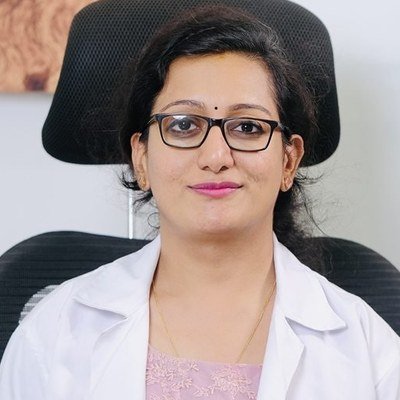
Medically reviewed by Dr Swathy Krishna S (MBBS, DDVL), Consultant Dermatologist, TLC Skyn, Kollam.
Psoriasis is a chronic, immune-mediated skin condition that speeds up skin cell turnover, causing thick, scaly patches that can itch, crack, and sometimes bleed. In Kerala, the warm, humid climate can influence how psoriasis behaves, and treatment needs to be tailored to each person’s triggers, severity, and lifestyle.
What Psoriasis Looks and Feels Like
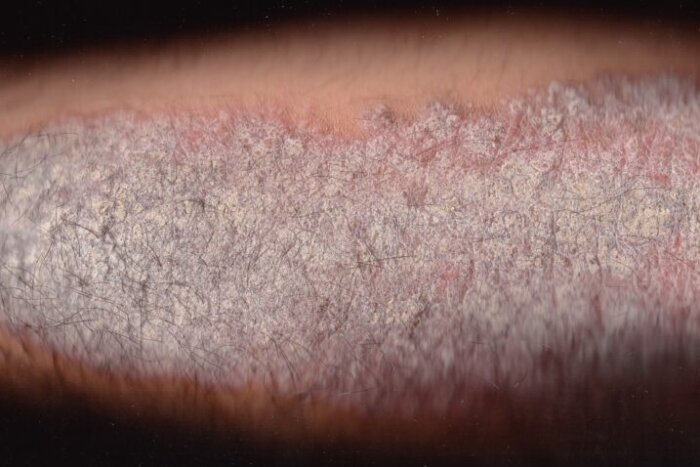
The most common form, plaque psoriasis, appears as raised red patches covered with silvery-white scales, typically on the elbows, knees, lower back, and scalp. Other types include guttate psoriasis, which shows up as small drop-like spots often after a throat infection, and palmoplantar psoriasis, which affects the palms and soles and is particularly common in people who do manual work or walk barefoot. Nail changes such as pitting, thickening, or separation from the nail bed can also occur.
Symptoms range from mild itching and dryness to painful cracking, burning, and joint stiffness if psoriatic arthritis develops. The condition tends to run in cycles: flare-ups followed by periods of relative calm.
Why Psoriasis Happens
Psoriasis is not contagious and not caused by poor hygiene. It involves an overactive immune response that accelerates skin cell production. In normal skin, cells renew over about a month; in psoriasis, this can happen in days.
Several factors can trigger or worsen a flare:
- Stress, including work pressure and sleep disruption
- Infections, especially streptococcal throat infections
- Skin injury such as cuts, scrapes, or even harsh scrubbing
- Certain medications
- Alcohol and smoking
- Sudden weather shifts, which are common during Kerala’s monsoon transitions
Dr Swathy Krishna S, Consultant Dermatologist at TLC Skyn in Kollam, notes that diet and lifestyle play a meaningful role in managing flare-ups. While no single food causes psoriasis, reducing alcohol, processed foods, and excessive sugar often helps, and regular exercise supports overall immune balance.
Treatment Options in Kerala
Psoriasis treatment is matched to severity. A dermatologist typically starts with a thorough consultation to identify triggers, affected areas, and how the condition impacts daily life.
| Treatment type | What it involves | Best suited for |
| Topical treatments | Medicated creams, ointments, and scalp solutions | Mild to moderate psoriasis, small patches |
| Phototherapy | Controlled exposure to specific UV light wavelengths under medical supervision | Moderate psoriasis, widespread patches |
| Systemic medications | Oral or injectable medicines that work on the immune system | Moderate to severe psoriasis, psoriatic arthritis |
| Lifestyle and trigger management | Diet changes, stress reduction, skin care routines | All patients, alongside medical treatment |
Topical treatments are usually the first step. These may include corticosteroid creams, vitamin D analogues, salicylic acid preparations, and moisturisers. Coal tar preparations, long used in dermatology, are also prescribed in some cases.
Phototherapy, particularly narrowband UVB, is a well-established option for moderate psoriasis. It requires multiple sessions and regular monitoring, which is one reason close follow-up matters.
Systemic medications, including newer biologic drugs, are reserved for more severe cases or when psoriasis significantly affects quality of life. These require careful screening and ongoing supervision by a dermatologist.
Ayurveda or Allopathy: What Works Better?
This is a common question in Kerala, where Ayurveda has deep roots. Ayurvedic treatments for psoriasis often include internal herbal preparations, dietary restrictions, and Panchakarma therapies. Some people find these helpful, particularly for managing symptoms alongside conventional care.
However, allopathic dermatology offers treatments that are backed by strong clinical evidence for controlling inflammation and slowing skin cell turnover. The most practical approach is often an integrated one: a dermatologist-led plan with sensible diet and lifestyle changes. Unsupervised Ayurvedic preparations can sometimes contain heavy metals or potent herbs that affect the liver, so any complementary treatment should be discussed with a qualified doctor.
What to Expect from a Consultation
A good psoriasis consultation should be thorough. At TLC Skyn, the first consultation often runs close to an hour. The doctor listens to the patient’s concerns, work, sleep, diet, and previous treatments before recommending anything. The goal is to treat the root cause with a step-by-step plan rather than a one-off fix.
Patients are prescribed only what is needed, with no unnecessary products or upselling. Suitable products a patient already uses can often be continued. Diet and lifestyle guidance is paired with medical treatment, and patients are taught how to manage flare-ups themselves.
For those who cannot visit in person, TLC Skyn offers online and WhatsApp consultations with weekly monitoring. This includes patients outside Kollam and abroad, so location is not a barrier to starting treatment guidance and follow-up.
Common Mistakes That Worsen Psoriasis
- Stopping treatment abruptly when skin clears, which can trigger a rebound flare
- Using harsh scrubs or over-exfoliating scaly patches
- Relying on unverified herbal or “miracle cure” products sold online
- Ignoring joint pain or morning stiffness, which can signal psoriatic arthritis
- Skipping moisturiser, which helps reduce scaling and itching
Practical Steps You Can Take Now
Keep skin well moisturised with a fragrance-free emollient, especially after bathing. Bathe in lukewarm water rather than hot water, which strips natural oils. Wear soft, breathable cotton clothing, and trim nails short to reduce damage from scratching. Track your flares in a simple diary: note food, stress, sleep, and weather on days when symptoms worsen. This helps identify personal triggers faster.
If patches are spreading, painful, or affecting your nails or joints, consult a dermatologist rather than waiting. Early, consistent treatment tends to give better control and fewer long-term complications.
Frequently Asked Questions
What is the best psoriasis treatment?
There is no single best treatment for everyone. The right option depends on severity, affected areas, triggers, and how psoriasis affects daily life. Mild cases often respond to topicals and moisturisers, while moderate to severe cases may need phototherapy or systemic medications. A dermatologist can match treatment to the individual after a proper assessment.
Which is better for psoriasis, Ayurveda or allopathy?
Allopathy offers evidence-based treatments that directly control inflammation and skin cell turnover. Ayurveda may help some people manage symptoms and improve overall wellbeing. The safest approach is usually dermatologist-led allopathic care with sensible diet and lifestyle changes, and any Ayurvedic preparation should be discussed with a qualified doctor first.
What organ is connected to psoriasis?
Psoriasis is primarily an immune system condition, not a disease of a single organ. The immune system mistakenly signals skin cells to grow too fast. In some people, psoriasis is linked to metabolic syndrome, which involves the liver, heart, and blood sugar regulation, so overall health monitoring matters.
What do Koreans use for psoriasis?
Korean dermatology generally follows international protocols: topical corticosteroids, vitamin D analogues, phototherapy, and biologic medications for severe cases. Some Korean skincare approaches emphasise gentle barrier repair and moisturising, which is useful in psoriasis care, but the core medical treatments are the same as elsewhere.
If psoriasis is disrupting your sleep, work, or confidence, a structured consultation can help. TLC Skyn offers in-person care in Kollam and online consultations with weekly monitoring for those elsewhere.