Laser Tattoo Removal in Kollam: How It Works and Who It Suits

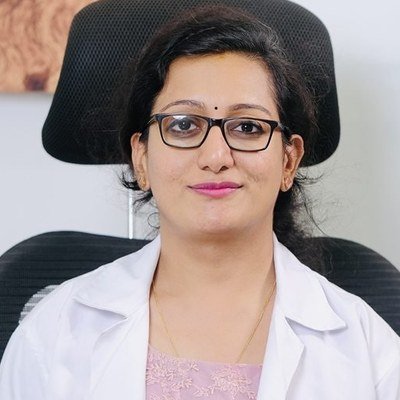
Medically reviewed by Dr Swathy Krishna S (MBBS, DDVL), Consultant Dermatologist, TLC Skyn, Kollam.
Laser tattoo removal uses focused light pulses to break down tattoo ink trapped in the skin so the body can clear it naturally. It is the safest and most effective option for most people who regret a tattoo, but it is not instant, and results depend on the ink, the skin, and the laser used.
What the Treatment Actually Involves
The laser targets ink particles without destroying the surrounding skin. Different wavelengths treat different ink colours, which is why black ink usually responds best and lighter colours such as yellow or white can be stubborn. Each session shatters more ink, and the immune system flushes the fragments away over the following weeks.
Most tattoos need several sessions spaced weeks apart. The gap matters: the body needs time to clear the fragmented ink before the next pass, and rushing sessions raises the risk of scarring or pigment changes.
A dermatologist first checks the tattoo’s age, depth, colours, and location, along with your skin type and any history of scarring. That assessment decides whether laser is suitable and roughly how many sessions to expect.
Who Laser Tattoo Removal Suits
| Factor | Better Candidate | More Difficult Case |
| Ink colour | Black, dark blue | Yellow, white, light green |
| Skin tone | Lighter skin often clears faster | Deeper skin needs conservative settings |
| Tattoo age | Older, faded ink | Fresh, dense, professional ink |
| Location | Chest, upper arm | Fingers, ankles, feet |
| Health | Non-smoker, good healing | History of keloids, poor circulation |
Amateur tattoos often fade faster than professional ones because the ink sits more superficially and is less dense. Professional tattoos usually contain more ink and may need more sessions.
People with active skin infections, certain autoimmune conditions, or a tendency to form keloids need a careful pre-treatment evaluation. Pregnancy is another reason to postpone treatment.
What Happens During a Session
The sensation is often described as a rubber band snapping against the skin. Numbing cream can help, and sessions are usually short, often a few minutes for a small tattoo. Afterward the area may look red, swollen, or slightly blistered, which is a normal healing response, not a sign something went wrong.
Between sessions, sun protection is essential. Sun-exposed skin is more likely to develop pigmentation problems after laser, and in a coastal, high-UV climate like Kerala, this is a year-round concern. A broad-spectrum sunscreen over the treated area is non-negotiable.
Common Mistakes People Make
Choosing a clinic based only on price is the biggest one. An inexperienced operator using the wrong wavelength or overly aggressive settings can leave permanent scarring or hypopigmentation. A dermatologist-led clinic such as TLC Skyn in Kollam assesses the skin first and adjusts settings conservatively, which is what protects the skin while still fading the ink.
Another mistake is expecting one session to erase the tattoo. It will not. Multiple sessions are the norm, and complete removal is not always possible, especially with certain colours.
Picking at blisters or scabs between sessions is another avoidable problem. Let the skin heal on its own to reduce scarring risk.
Why a Dermatologist Matters
Dr Swathy Krishna S, Consultant Dermatologist at TLC Skyn, approaches tattoo removal the same way she approaches other skin concerns, including laser hair removal: a thorough consultation first, then a step-by-step plan based on the individual’s skin and tattoo. The clinic is known for honest guidance rather than upselling, so if a tattoo is unlikely to clear well or the skin type makes laser risky, that will be discussed openly.
TLC Skyn also offers online and WhatsApp consultations with weekly monitoring for people who cannot visit in person, including patients outside Kollam or abroad. Many concerns can begin with an online consultation, where the tattoo can be assessed through photos and a realistic plan outlined before any in-person sessions.
Patient reviews reflect the clinic’s broader approach. Alfiya shared that “the doctor was knowledgeable, explained everything clearly, and recommended the right treatment” after her visit, while Vyshnav noted that “the staff explained everything clearly and handled the treatment with great care.” Both comments point to the same pattern: explanation first, treatment second.
Aftercare That Makes a Difference
Keep the treated area clean and dry for the first few days. Avoid tight clothing over the area, skip swimming pools and hot tubs until the skin heals, and do not apply makeup or scented creams over broken skin. Sunscreen is the single most important aftercare step in this climate.
Mild itching is common as the skin heals. Resist scratching.
Frequently Asked Questions
How many laser tattoo removals are needed?
Most tattoos need several sessions, often between four and ten, spaced at least four to six weeks apart. The exact number depends on ink colour, density, depth, skin type, and how the body clears the ink. Some tattoos fade significantly but never disappear completely.
How much does laser treatment cost in Kerala?
Cost varies based on tattoo size, ink colours, number of sessions, and the clinic’s expertise. Rather than focusing on a single figure, consider the operator’s training and the laser technology used. A dermatologist can give a realistic estimate after seeing the tattoo. Our tattoo removal cost guide explains the factors in more detail.
Are tattoos 100% permanent?
Most tattoos are intended to be permanent, but no tattoo is guaranteed to last unchanged forever. Sun exposure, skin ageing, and the body’s immune response all cause gradual fading over decades. Laser removal accelerates a process the body already does slowly.
Is laser tattoo removal consultation free?
This varies by clinic. Some offer a paid consultation that is adjusted against treatment, others charge separately. At TLC Skyn, the first consultation is thorough and unhurried, often close to an hour, because the doctor assesses the tattoo and your skin before recommending anything.
If you are considering laser tattoo removal, start with a proper skin assessment rather than a guess. Book a consultation with TLC Skyn to understand what your specific tattoo and skin type can realistically achieve.