Extreme Hair Fall: Common Causes, Warning Signs and Effective Treatment Options
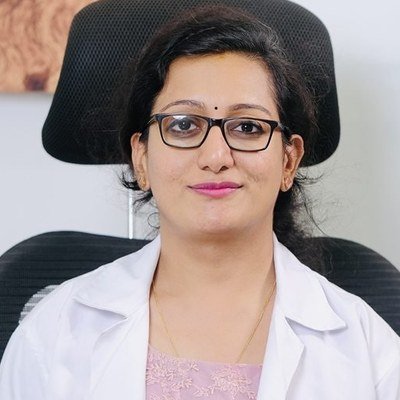
Medically reviewed by Dr Swathy Krishna S (MBBS, DDVL), Consultant Dermatologist, TLC Skyn, Kollam.
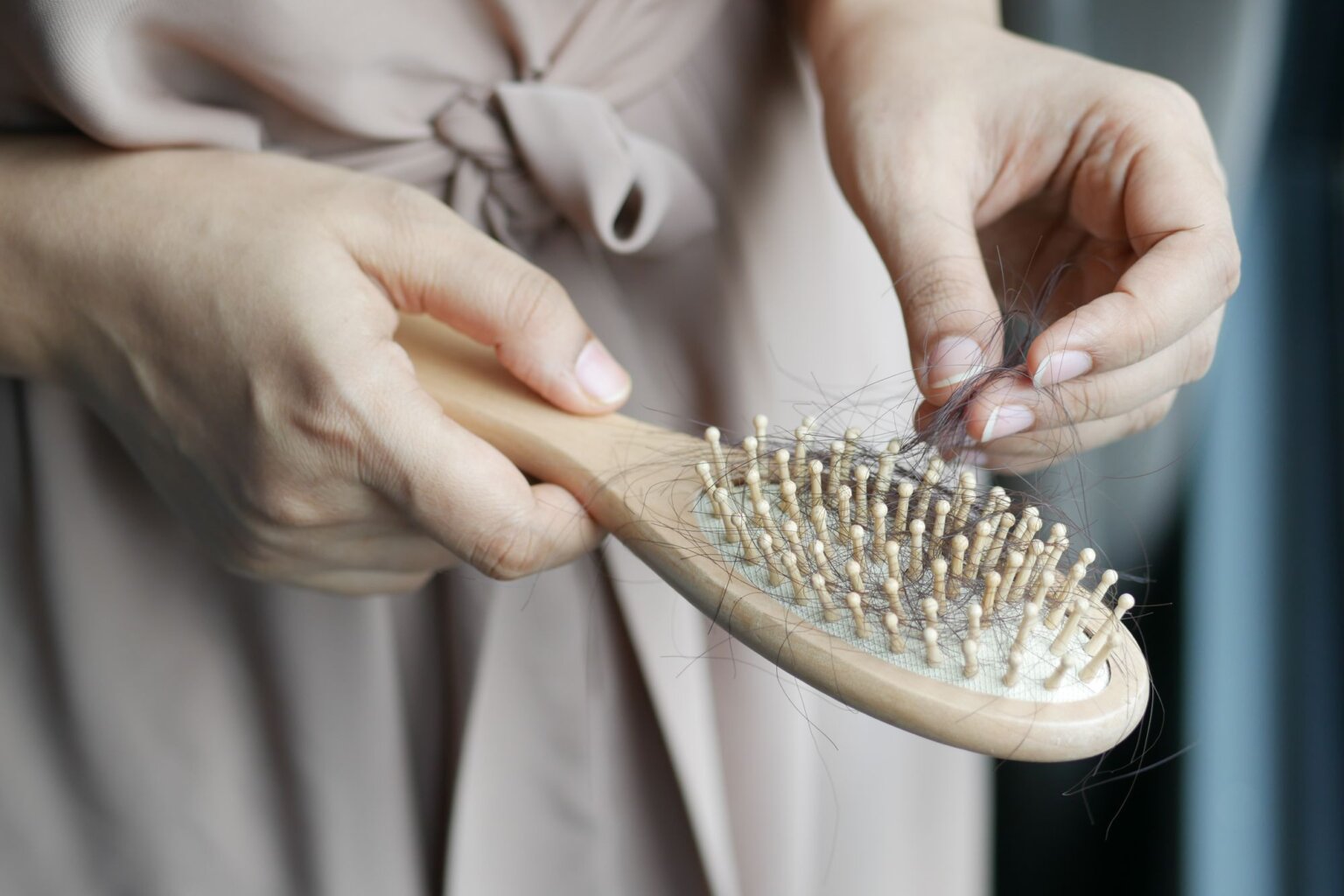
Extreme hair fall means a sudden, noticeable increase in daily shedding, often triggered by a physical or emotional shock that pushes many hair follicles into a premature resting phase. It can also signal a nutritional deficiency, thyroid imbalance, hormonal shift, or genetic pattern hair loss. The first step is identifying which type you have, because causes and treatments differ significantly.
Causes That Commonly Produce Heavy Shedding
Hair fall reasons fall into two groups: temporary shedding and progressive thinning. Temporary shedding, or telogen effluvium, appears two to four months after a trigger such as high fever, major surgery, childbirth, rapid weight loss, or severe emotional stress. Hair falls diffusely across the scalp rather than in one patch. Postpartum hair fall is a classic example; it feels alarming but usually settles as hormone levels normalise.
Progressive thinning is different. Male and female pattern baldness, or androgenetic alopecia, develops gradually and follows a predictable pattern: a receding hairline or crown thinning in men, and a widening parting or overall density loss in women. PCOS can contribute by increasing androgen levels, which shrink hair follicles over time. Unlike telogen effluvium, this type does not resolve on its own and benefits from early treatment.
Nutritional deficiencies are common and often overlooked. Low iron, ferritin, vitamin D, vitamin B12, zinc, or protein can starve hair roots of what they need to stay in the growth phase. Thyroid disorders, both underactive and overactive, disrupt the hair cycle similarly. Some medications, including blood thinners and retinoids, can also trigger diffuse shedding.
Warning Signs That Need Attention
Occasional hair in the brush is normal, but certain patterns warrant a dermatologist’s evaluation. Shedding lasting longer than three months, visible widening of the parting, a receding hairline, smooth round bald patches, or hair fall with scalp redness, itching, or scaling are reasons to seek help. Alopecia areata, an autoimmune condition, causes sudden smooth patches and needs a different approach than stress-related shedding.
How the Cause Shapes Treatment
The table below compares common causes, how they present, and the general treatment direction.
| Cause | Typical Pattern | Treatment Direction |
| Telogen effluvium | Diffuse shedding 2 to 4 months after a trigger | Identify and correct the trigger; supportive care |
| Androgenetic alopecia | Gradual pattern thinning | Long-term medical management; PRP or GFC may help |
| Nutritional deficiency | Diffuse thinning, often with fatigue | Blood tests; targeted correction of iron, vitamin D, B12, protein |
| Thyroid disorder | Diffuse shedding with other symptoms | Treat the thyroid condition first |
| Alopecia areata | Sudden smooth patches | Dermatologist assessment; specific therapy |
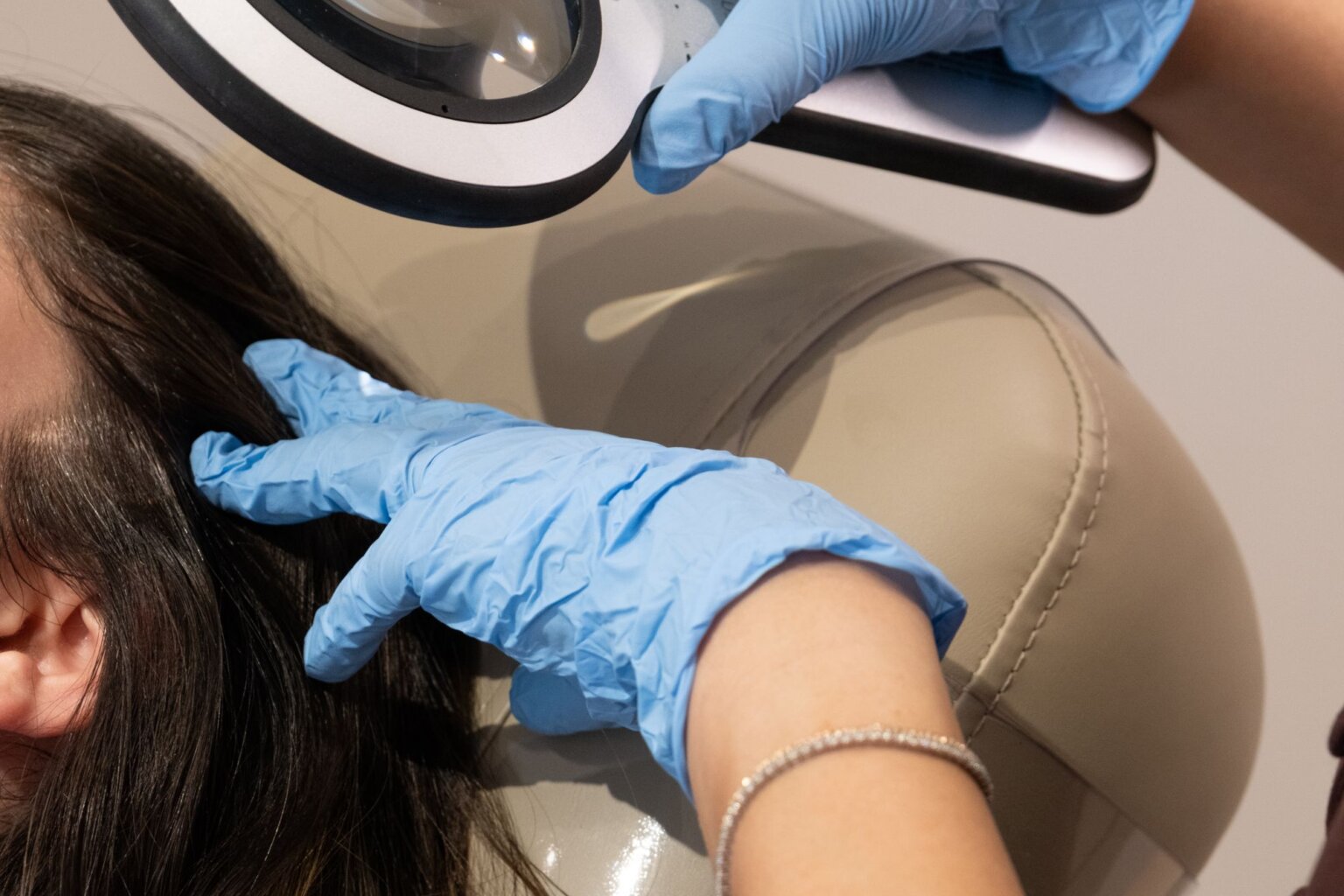
Dr Swathy Krishna S emphasises that a thorough first consultation matters because the same symptom, heavy hair fall, can come from very different root causes. A plan built for telogen effluvium will not fix pattern baldness, and treating a deficiency without checking thyroid status can waste months. At TLC Skyn, the first consultation often runs close to an hour and covers medical history, diet, lifestyle, and work-related stress before any hair loss treatment is recommended.
What Actually Helps
For temporary shedding, the priority is removing or correcting the trigger: restoring iron stores, adjusting medication under a doctor’s supervision, managing stress, or allowing time after childbirth. Hair usually regrows once the underlying issue resolves.
For pattern hair loss, early intervention matters most. Treatments such as PRP and GFC hair therapy support follicle health and slow further thinning. GFC, or growth factor concentrate, is prepared from the patient’s own blood and delivered to the scalp. Results take three to six months, and consistency is more important than a single session. Abhija SRaj23 shared after GFC hair treatment that “in 2 weeks, there is a good improvement in hair loss” and that she could see new baby hairs by the third week. AROMAL SURESH also reported “a great change in my hair fall” after GFC treatment. These are individual experiences, not guarantees, but they reflect what some patients notice.
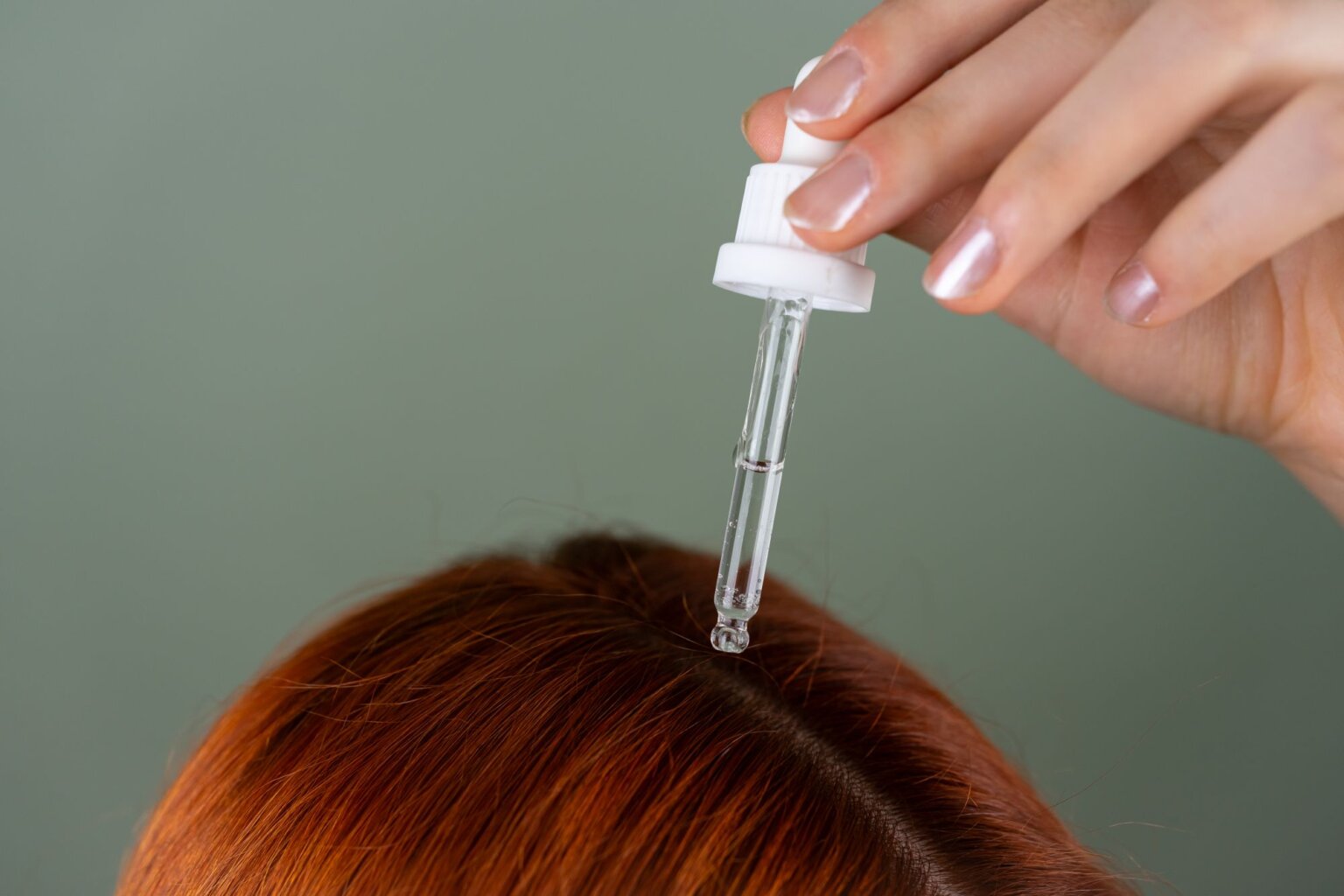
Common mistakes include switching shampoos repeatedly, applying harsh home remedies, or waiting until thinning is advanced before seeking help. Shampoo alone rarely treats significant hair fall. Diet matters, but no single food reverses genetic hair loss.
When to Consult a Dermatologist
If shedding is heavy, patchy, or accompanied by scalp symptoms, consult a dermatologist rather than self-treating. A proper evaluation can distinguish between causes and prevent months of wasted effort. For those who cannot visit in person, online and WhatsApp consultation with weekly monitoring is available, including for patients outside Kollam and abroad. Many concerns can begin with an online consultation, with follow-up support built in.
Other skin concerns such as acne, acne scar, open pores, tanning, skin tag removal, and anti ageing are also best assessed by a dermatologist, since they often overlap with hormonal or lifestyle factors that affect hair.
Frequently Asked Questions
Can COVID-19 cause hair loss?
Yes. COVID-19 can trigger telogen effluvium, with noticeable shedding starting around two to four months after the illness. It is usually temporary, but a dermatologist can confirm the diagnosis and rule out other causes.
Which shampoo is most effective for hair growth?
No shampoo alone grows hair. A mild, scalp-friendly shampoo supports overall scalp health, but treating hair fall requires addressing the underlying cause, whether that is a deficiency, hormonal issue, or pattern hair loss.
What are some treatments for postpartum hair loss?
Postpartum hair fall usually improves on its own as hormones settle. Correcting any iron or vitamin D deficiency, eating enough protein, and avoiding harsh styling help. If shedding persists beyond six to eight months, a dermatologist review is sensible.
How to regrow hair after telogen effluvium?
Focus on correcting the trigger: restore nutrient levels, manage stress, and treat any underlying illness. Most people see regrowth within three to six months once the trigger is removed. Persistent shedding warrants further investigation.
If heavy hair fall is affecting your confidence or daily life, book an appointment with a dermatologist at TLC Skyn for a proper diagnosis and a step-by-step plan built around your actual cause.