

Does Monsoon Really Cause Hair Fall? Fact vs. Myth
If you notice more strands on your pillow, in the shower drain, or tangled in your comb the moment the rains hit Kerala, you are not imagining it. Monsoon hair fall is real, but it is rarely the whole story. At TLC Skyn, Kollam, Dr. Swathy Krishna sees a clear seasonal pattern every year between June and September, where humidity, rainwater exposure, and scalp infections combine to push more hair into the shedding phase. If your hair fall is excessive or continues beyond the monsoon, seeking professional Hair Loss Treatment in Kollam can help identify the underlying cause and prevent further thinning. This guide separates what is genuinely happening to your scalp from the myths that get repeated every rainy season and explains exactly what you can do about it.
Is Monsoon Hair Fall a Fact or a Myth?
It is a fact, not a myth, but with a nuance. Monsoon itself does not damage hair directly. What actually causes the spike in shedding is the combination of high humidity, scalp moisture imbalance, rainwater contaminants, and fungal overgrowth that the season creates. Most people experience a temporary increase in hair fall of roughly 20 to 30 percent during peak monsoon months, and it usually settles once the weather stabilises and the scalp is cared for properly.
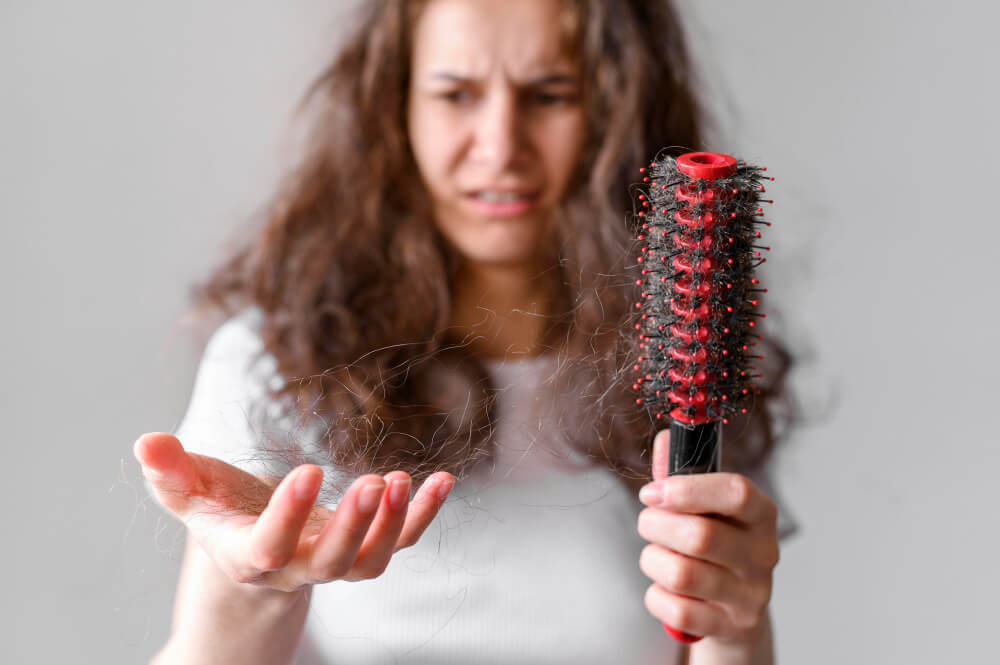
Why Hair Fall Increases During Monsoon
1. Humidity Swells the Hair Shaft
Kerala’s monsoon humidity is intense. Hair strands absorb moisture from the air, causing the shaft to swell and the outer cuticle to lift. This weakens the hair’s structure, making it more prone to breakage and giving the illusion of heavier “fall” when it is often mid-shaft snapping rather than root-level loss.
2. Rainwater Is Not Scalp-Friendly
Monsoon rain picks up pollutants, dust and acidic residue on its way down. When it sits on the scalp without being washed out promptly, it can irritate the skin barrier and strip away natural oils, leaving the scalp more reactive and hair roots comparatively weaker.
3. Fungal and Yeast Overgrowth
Warm, damp scalps are ideal territory for Malassezia yeast, the organism behind most dandruff. During monsoon, sweat, humidity and slow-drying hair keep the scalp moist for longer, which can flare up dandruff, itching and inflammation, all of which are known contributors to increased shedding. This is closely linked to the pattern our team explains in our detailed guide on treating dandruff.
4. Disrupted Routines and Lifestyle Shifts
Monsoon months often bring irregular sleep, seasonal infections and comfort-eating that skips key nutrients. These indirect factors rarely get blamed, but they quietly add to seasonal shedding, similar to what we cover in our article on sleep and hair loss.
Fact vs. Myth: Common Monsoon Hair Fall Beliefs
| Belief | Fact or Myth |
| Rain touching your hair directly causes baldness | Myth – it is prolonged wetness and contaminants, not rain itself |
| Monsoon hair fall is usually temporary | Fact – it typically resolves with the season and good scalp care |
| Washing hair less often prevents monsoon hair fall | Myth – infrequent washing traps sweat and worsens fungal growth |
| Humidity alone can cause permanent hair loss | Myth – humidity contributes to breakage, not permanent baldness |
| Diet and hydration affect monsoon shedding | Fact – nutrient gaps make hair more vulnerable in this season |
Normal Shedding vs. Monsoon Hair Fall That Needs Attention
| Sign | Normal Seasonal Shedding | Needs a Dermatologist |
| Strand count per day | Up to 100 – 120 | Consistently well above this for 6–8 weeks |
| Duration | Settles once the season passes | Continues beyond monsoon months |
| Scalp condition | Occasional itchiness | Redness, flaking, soreness or visible thinning patches |
How to Protect Your Hair This Monsoon
- Wash your hair promptly after getting wet in the rain to remove pollutants and acidic residue.
- Use a mild, sulphate-free shampoo two to three times a week rather than skipping washes.
- Dry your scalp thoroughly, especially at the roots, to discourage fungal growth.
- Switch to a wide-tooth comb and detangle gently, starting from the ends.
- Keep your diet rich in protein, iron and biotin, and stay well hydrated through the humid months.
- Avoid tight hairstyles and excessive heat styling until the season eases.
When to See a Dermatologist
Home care takes care of all the seasonal hair fall but when your hair fall becomes persistent even after the monsoon season, or if you start losing your hair from your temples, widening partings, or a constant irritation on your scalp, then it’s time to consult a professional rather than experimenting any further. Various diseases such as Telogen Effluvium, Seborrheic Dermatitis, or even Pattern hair loss can be mistaken as “Monsoon Hair Fall”.
Monsoon Hair Fall Care at TLC Skyn, Kollam
At TLC Skyn, Dr. Swathy Krishna evaluates each case of seasonal hair fall on its own merit, checking scalp health, hair density and possible underlying triggers before recommending a plan. Depending on the diagnosis, this may include medicated scalp treatment, dandruff-focused care, or regenerative options such as GFC therapy for hair restoration. For patients who want to understand cost and process first, our guide on what GFC hair treatment costs is a useful starting point, and those exploring non-surgical coverage for thinning areas can read about scalp micropigmentation in Kollam. You can also learn more about Dr. Swathy Krishna and the full range of services at TLC Skyn.
Frequently Asked Questions
Does monsoon really cause hair fall?
Yes, humidity, rainwater and fungal growth combine to increase seasonal shedding, though it is usually temporary.
How much hair fall is normal in monsoon?
A mild increase of 20 to 30 percent above your usual shedding is typically considered normal.
Does getting wet in the rain directly cause baldness?
No, rain itself does not cause baldness; leaving pollutants and moisture on the scalp does the damage.
Should I wash my hair less during monsoon?
No, washing less traps sweat and moisture, which worsens fungal-related hair fall.
When should I consult a dermatologist for monsoon hair fall?
If shedding stays heavy for more than 6 to 8 weeks or is paired with visible thinning or scalp irritation.
Can diet help reduce hair fall in the rainy season?
Yes, adequate protein, iron and biotin intake makes hair more resilient during humid months.