Acne and Acne Scars: Causes, Treatments, and How to Achieve Clearer Skin
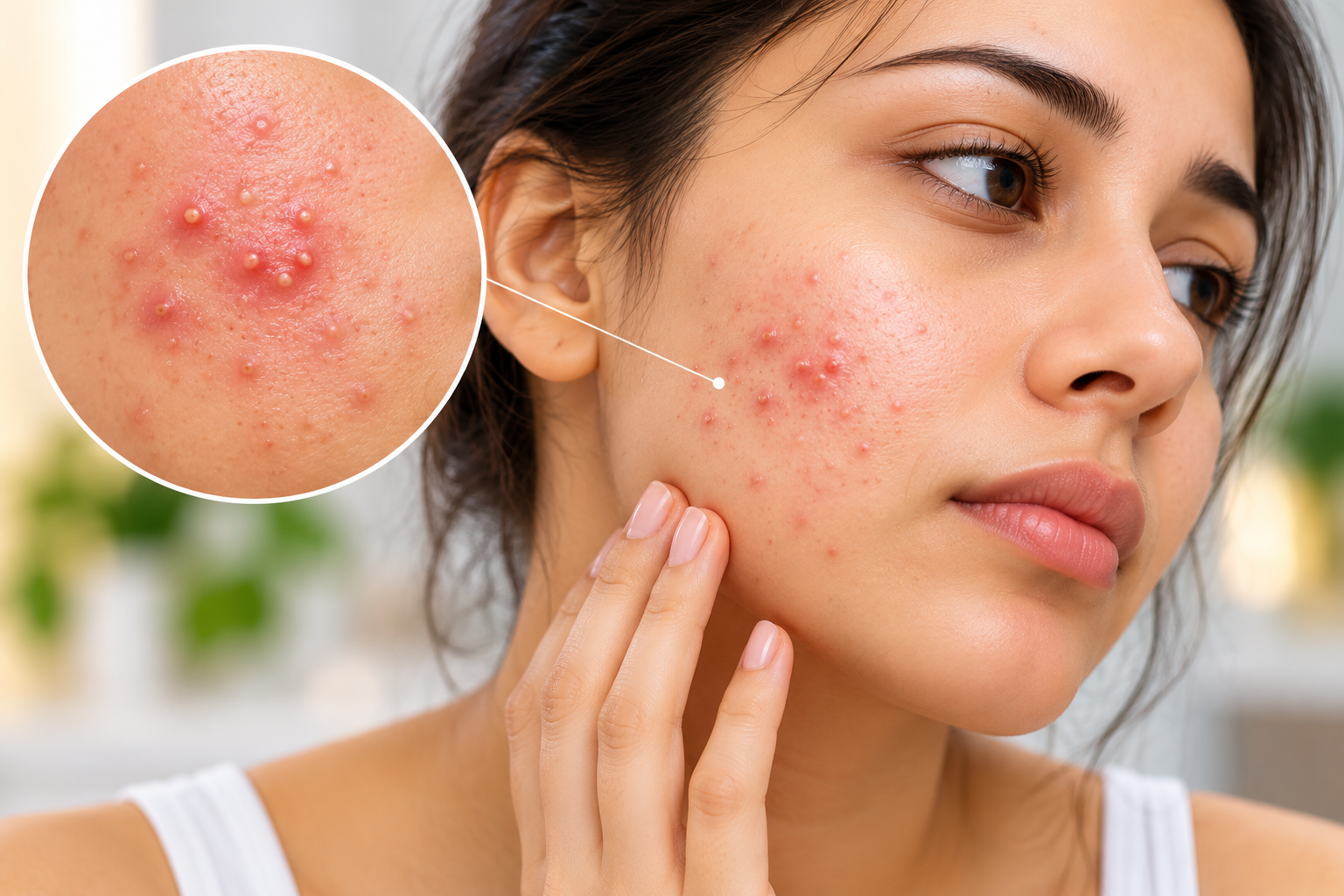
Acne is a skin condition where hair follicles become plugged with oil and dead skin cells, creating blackheads, whiteheads, pimples, or deeper cysts. An acne scar forms when this inflammation damages the skin’s collagen, leaving a permanent textural change after the breakout heals. The two are related but require different treatment approaches, and understanding that distinction is the first step toward clearer skin.
What You Are Actually Dealing With
| Feature | Acne Marks | Acne Scars |
| What they look like | Flat red, brown, or grey spots | Indented or raised texture changes |
| Cause | Post-inflammatory pigmentation | Collagen loss or overgrowth |
| Do they fade alone? | Usually, over months | No, they are permanent without treatment |
| Best response | Topicals, sunscreen, time | In-office procedures |
This table matters because people often treat scars with creams that can only help marks. Knowing which one you have saves months of wasted effort and frustration.
Why Acne Happens
Hormones drive most acne. During puberty, both sexes produce more androgens, which signal the skin to make more sebum. That oil mixes with dead skin cells inside the pore. If the pore stays open, the plug oxidises and becomes a blackhead. If it closes, a whitehead forms. When bacteria multiply inside that clogged pore, the area becomes inflamed, producing papules, pustules, or in severe cases nodules and cysts.
Adult acne follows a similar mechanism but with different triggers. Women are more likely than men to have mild to moderate acne into their 30s and beyond, often linked to menstrual cycles, pregnancy, or conditions like polycystic ovary syndrome. Stress does not cause acne, but it can aggravate existing breakouts and slow healing. Diet remains debated: some studies suggest high-glycaemic foods and dairy may play a role for certain people, though the evidence is not strong enough for universal advice.
What Makes Acne Worse
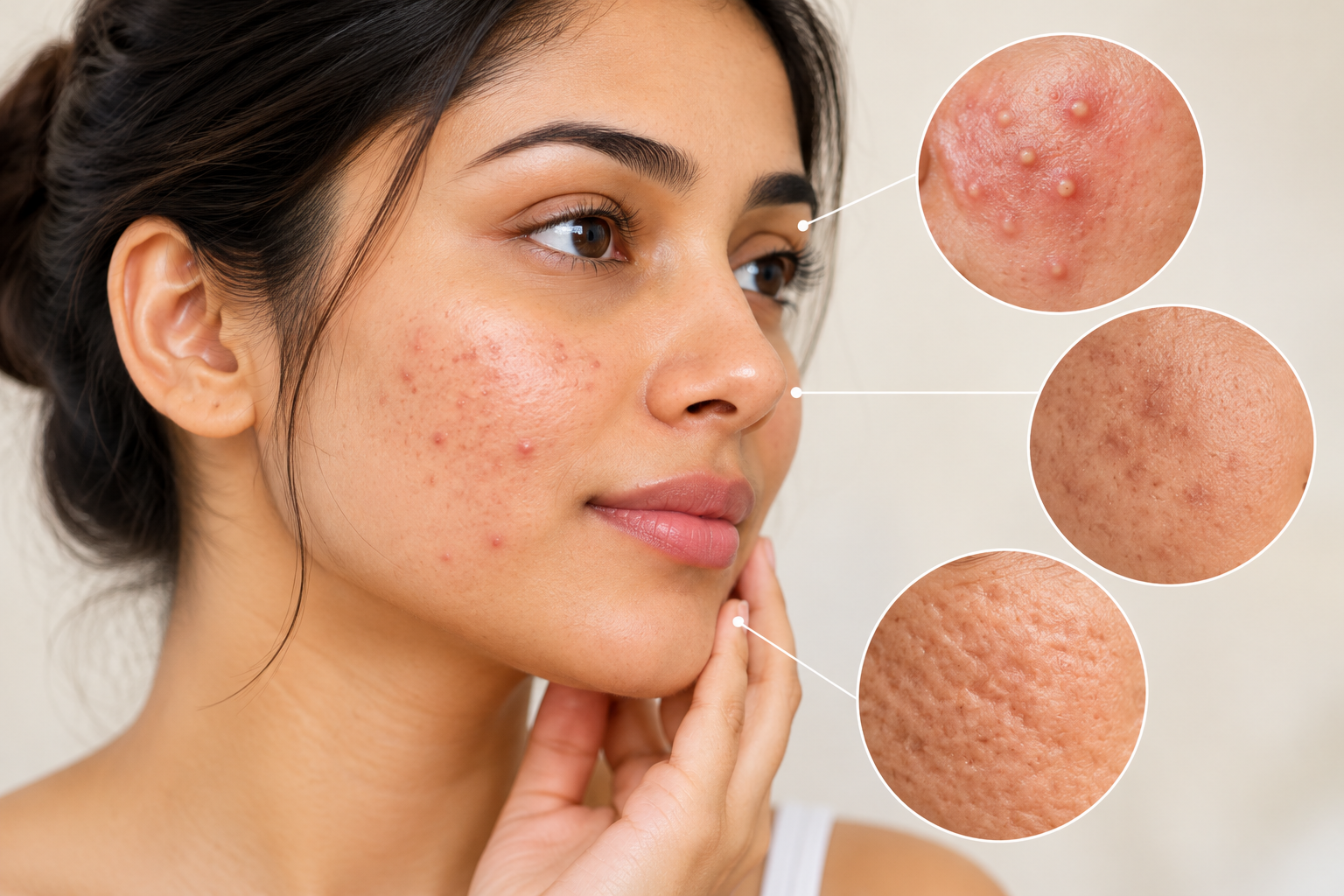
Several habits turn mild breakouts into stubborn problems. Picking or squeezing spots pushes bacteria deeper and increases the chance of scarring. Abrasive scrubs aggravate both comedones and inflammatory lesions. Heavy oils and comedogenic cosmetics block pores further. Smoking increases sebum retention and scale within follicles. Even humid environments, like working in an unventilated kitchen, can contribute.
Treating Acne by Severity
Mild acne, mostly blackheads and whiteheads with occasional small pimples, usually responds to over-the-counter topical treatments. Look for gels, solutions, or lotions containing benzoyl peroxide, salicylic acid, or adapalene. These work slowly; expect several weeks before visible improvement.
Moderate acne, with more inflamed papules and pustules, typically needs prescription topicals or oral medications. Dermatologists may combine a topical retinoid with an antimicrobial, or prescribe oral antibiotics for short courses to reduce inflammation. Hormonal treatments, including certain oral contraceptives, help women whose breakouts follow a monthly pattern.
Severe acne, with nodules and cysts, often requires isotretinoin, formerly known as Accutane. This oral medication shrinks oil glands dramatically and can produce long-term remission, but it requires careful monitoring due to potential side effects. It is a serious decision made with a dermatologist, not a first-line option.
Acne Scars: Types and Realistic Options
Scars fall into two broad categories. Atrophic scars are indented and include icepick scars, narrow and deep; boxcar scars, wider with defined edges; and rolling scars, which create a wavy texture from tethered collagen. Hypertrophic scars are raised, caused by excess collagen during healing.
Topical creams cannot fix these textural changes. The treatments that work are procedural. Microneedling creates controlled micro-injuries that stimulate collagen remodelling, helping shallow scars. Fractional laser resurfacing targets deeper damage and tightens the skin. Subcision releases tethered scars by breaking the fibrous bands underneath. Chemical peels help with surface irregularity and pigmentation. Most people need a series of treatments, not a single session, and realistic expectations matter: improvement is the goal, not perfection.
Related Skin Concerns Often Confused with Acne
Several conditions overlap with acne or get mistaken for it. Open pores are visible hair follicle openings that look more prominent with oily skin and sun damage; they are not acne but often accompany it. Tanning, whether from sun exposure or tanning beds, temporarily masks redness but thickens the skin and worsens post-acne marks over time. Skin tag removal is a separate cosmetic procedure for benign growths, not related to acne treatment. Anti ageing treatments like retinoids can benefit both acne and fine lines, which is why dermatologists sometimes prescribe tretinoin for adult patients managing both concerns at once.
What to Do Now
Start with a simple, consistent routine: a gentle cleanser, a non-comedogenic moisturiser, and a broad-spectrum sunscreen every morning. Sunscreen prevents post-acne marks from darkening and lingering. Introduce one active ingredient at a time so you can tell what helps and what irritates. If over-the-counter options have not produced meaningful change after eight to twelve weeks, or if you have nodules, cysts, or scarring, see a dermatologist. Clinics such as tlc skyn clinic assess scar type and acne severity before recommending a plan, which matters because treating active acne always comes before addressing scars. You cannot resurface skin that is still breaking out.
Is acne a form of bacteria?
No. Acne is a disorder of the hair follicle where oil and dead skin cells block the pore. A bacterium called Cutibacterium acnes lives on everyone’s skin and multiplies inside clogged pores, contributing to inflammation, but acne itself is not an infection.
How should I treat my acne?
Match treatment to severity. Mild acne responds to over-the-counter benzoyl peroxide, salicylic acid, or adapalene. Moderate acne usually needs prescription topicals or oral medication. Severe nodular or cystic acne may require isotretinoin under specialist supervision. Consistency and patience are essential; most treatments take six to eight weeks to show clear results.
What are pustules?
Pustules are inflamed pimples with a visible white or yellow centre of pus. They form when a clogged pore becomes infected and the immune system sends white blood cells to the area. They are a sign of moderate inflammatory acne.
What is an acne cyst?
An acne cyst is a severe, deep, painful lesion that forms when inflammation extends far below the skin’s surface. Cysts feel like firm lumps and are more likely to leave scars than milder lesions. They typically require prescription treatment rather than over-the-counter products.