GFC Treatment for Hair Loss: Benefits, Procedure, Results and Who Can Benefit
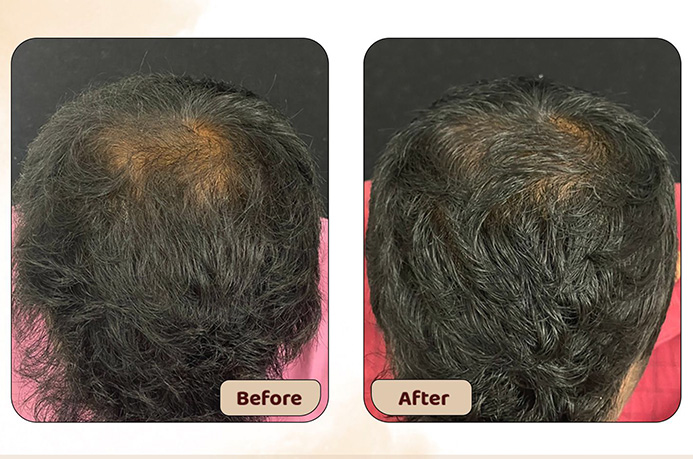
GFC treatment for hair loss is a non-surgical, injection-based procedure that uses concentrated growth factors from your own blood to slow shedding and stimulate existing hair follicles. It does not create new follicles in completely bald areas, but it can improve density, thickness, and scalp health in thinning zones. The treatment works best when a dermatologist first identifies the type of hair loss, because not every cause responds to GFC.
Many people in Kollam who notice widening parts, increased daily shedding, or a receding hairline assume every hair fall is the same. It is not. Pattern hair loss, diffuse shedding from stress or nutritional gaps, and scalp inflammation all need different approaches. GFC suits androgenetic alopecia in its early to moderate stages, but it is not a standalone fix for scarring alopecia or untreated scalp disease. Conditions like dandruff, redness, scaling, or patchy loss deserve a proper diagnosis before any injection is considered. The same caution applies to common skin concerns such as acne, acne scar, open pores, tanning, skin tag removal, and anti ageing, where the right diagnosis changes the treatment path entirely.
What the Treatment Actually Involves
A GFC session follows a predictable sequence. A small blood sample is drawn, much like a routine lab test. The sample is processed in a dedicated preparation system that separates platelet-derived growth factors while removing red and white blood cells. The resulting concentrate is then injected into selected areas of the scalp using fine needles. Most protocols recommend three to four sessions spaced about a month apart, followed by yearly maintenance.
What makes GFC different from older platelet-rich plasma methods is the preparation. GFC kits aim for a purer concentrate with fewer inflammatory cells, which may reduce post-injection discomfort. That said, protocols are not fully standardised across clinics, and results do vary. Published research on platelet-derived growth-factor therapies reports improvements in hair density and thickness for androgenetic alopecia, but the evidence specific to GFC is still developing. Larger, standardised trials are still needed before anyone should call it a guaranteed outcome.
GFC vs PRP: A Practical Comparison
| Factor | GFC | PRP |
| Preparation | Dedicated kit, aims to remove red and white blood cells | Centrifuge-based, may retain more cell types |
| Growth factor concentration | Typically higher and more consistent | Varies with preparation method |
| Injection discomfort | Often reported as milder | Can cause more soreness or swelling |
| Evidence base | Emerging, encouraging but not fully standardised | Longer clinical track record |
| Session frequency | Usually 3 to 4 initial sessions | Often 4 to 6 initial sessions |
Neither option is universally superior. The right choice depends on the individual’s scalp condition, the clinic’s preparation system, and whether the dermatologist recommends combining GFC with established medical treatment such as minoxidil or finasteride. Blocking DHT can slow pattern hair loss, but GFC alone does not address the hormonal driver. A combination approach often gives the most realistic improvement.
What to Expect After the Procedure
Most people return to normal activity the same day. Mild redness or pinpoint tenderness at injection sites can last a few hours to a day. Because the material comes from the patient’s own blood, allergic reactions are rare. The more common mistake is expecting visible regrowth within weeks. Hair cycles move slowly. Shedding may continue for the first month, and measurable changes in thickness usually take three to six months to appear. Photographs taken under consistent lighting are the most reliable way to track progress.
In Kollam’s humid coastal climate, scalp hygiene matters after any injection session. Sweating, salt, and oil buildup can irritate freshly treated skin. Washing gently with a mild, fragrance-free cleanser the day after treatment is usually acceptable, but vigorous scrubbing, heavy oils, or styling products should wait until the scalp settles. A dermatologist can give specific aftercare based on the individual’s scalp condition.
Who Should Think Twice
GFC is not ideal for people with completely smooth, shiny bald areas where follicles have been inactive for years. It is also not a first-line treatment for sudden patchy loss, active scalp infection, or hair fall driven by untreated thyroid disease, iron deficiency, or medication side effects. In those cases, treating the underlying trigger matters more than injecting growth factors. Anyone with a bleeding disorder or who takes blood thinners should discuss safety with a doctor first.
The cost of GFC treatment varies with the clinic, the preparation kit used, the number of sessions planned, and whether it is combined with other therapies. Rather than comparing only GFC Treatment cost, it is more useful to ask what the quoted fee includes: the dermatologist’s assessment, the preparation system, the number of injection sites, and follow-up reviews. A cheaper session that skips proper diagnosis or uses a lower-quality kit is rarely a saving.
Practical Steps Before Booking
Ask for a scalp assessment before agreeing to any injection plan. A dermatologist should examine the pattern of thinning, check for miniaturisation, and rule out treatable causes. Ask which preparation system the clinic uses and whether the doctor or a trained technician performs the injections. Ask for realistic before-and-after photographs of patients with a similar hair loss pattern, not marketing images. And ask what happens if there is no response after the initial sessions. A good clinic will adjust the plan or suggest alternatives rather than simply repeating the same protocol.
For readers in Kollam considering GFC treatment, the first step is a proper consultation with a qualified dermatologist who can assess the scalp and confirm whether this approach fits the specific type of hair loss. TLC Skyn offers consultations that begin with diagnosis rather than procedure sales, which is the right order for any hair loss concern. Book an appointment to understand your options before committing to a treatment plan.
FREQUENTLY ASKED QUESTIONS
1. What is the most effective treatment for hair loss?
There is no single most effective treatment because hair loss has multiple causes. For androgenetic alopecia, the strongest evidence supports a combination of DHT-blocking medication, topical minoxidil, and procedural options like GFC or PRP. For telogen effluvium, correcting the trigger such as iron deficiency, thyroid imbalance, or stress is more effective than any injection.
2. Does blocking DHT stop hair loss?
Blocking DHT can slow or stabilise androgenetic alopecia in many men and some women, but it does not work for everyone and does not regrow follicles that have been inactive for years. It addresses the hormonal driver, which GFC does not, so the two are often used together.
3. Is GFC better than PRP?
Not universally. GFC aims for a purer, more consistent growth factor concentrate with fewer inflammatory cells, which may mean less discomfort. PRP has a longer clinical track record. The preparation system and the clinician’s experience often matter more than the label on the treatment.
4. How long will GFC results last?
Results typically last several months to over a year with maintenance sessions. Without ongoing treatment, hair gradually returns to its previous shedding pattern, especially if the underlying hormonal or nutritional trigger is not managed.