
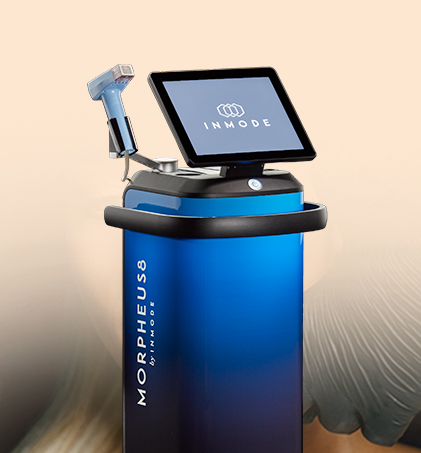


What Is Tan Removal? Causes of Tanning & How Treatment Works?
Kerala’s tropical sun brings postcard-worthy beaches but it also delivers intense ultraviolet exposure that can leave skin a few shades darker in just a weekend. If you have been googling what is tan removal after your last houseboat cruise in Kollam, this guide breaks down the science of tanning, why pigmentation lingers and how modern treatments lift discoloration without damaging the skin barrier.
Understanding the Tanning Process
Tanning serves as a natural protective barrier of our skin. UV radiation on skin stimulates melanocytes to produce more melanin, the color substance that takes in and diffuses rays. Though melanin acts as a shield, its irregular spread leads to the apparition of dark spots, mainly on the face, neck and arms. Research conducted by the Indian Association of Dermatologists reveals that continuous exposure to UV A can result in a 100 percent increase of melanin in the epidermis within 72 hours, and the pigmentation may last for months unless treated.
Common triggers in coastal Kerala include:
- Midday outdoor labor or fishing without SPF 50 sunscreen.
- Saltwater reflection that increases UV intensity by roughly 25 percent.
- Sweating due to humidity dilutes topical sunblocks faster than in drier climates.
- Few Ayurveda herbs or antibiotics (doxycycline, tetracycline) which have photosensitivity as a side effect.
What Is Tan Removal?
Dermatologically, tan removal refers to professional strategies designed to accelerate the breakdown of excess melanin and restore the skin’s baseline tone. Unlike home scrubs that merely slough off superficial cells, evidence-based tan removal treatments target multiple stages of pigmentation, melanin synthesis, transfer and deposition while preserving skin integrity.
At-Home vs In-Clinic Approaches
| Approach | Mechanism | Typical Result | Downtime |
| Over-the-counter exfoliating washes | Removes dead cells on stratum corneum | Brightens dull skin temporarily | None |
| Dermatologist-prescribed depigmenting creams (hydroquinone 4 percent, kojic acid 1 percent) | Inhibits tyrosinase enzyme | 30-50 percent lightening in 8-12 weeks | Mild redness, peeling |
| Chemical peels (20 percent glycolic or salicylic) | Controlled epidermal ablation plus melanocyte regulation | One-tone lightening after 2-3 sessions | 12-24 hours superficial flaking |
| Q-Switched Nd:YAG laser toning | Photoacoustic shattering of melanosomes | Up to 70 percent clearance in 4-6 sessions | 30-60 minutes transient erythema |
| Picosecond lasers | Sub-nanosecond melanin fragmentation, collagen stimulation | Faster results (3-4 sessions) with lower thermal injury | Minimal |
Causes of Persistent Tanning in Kollam
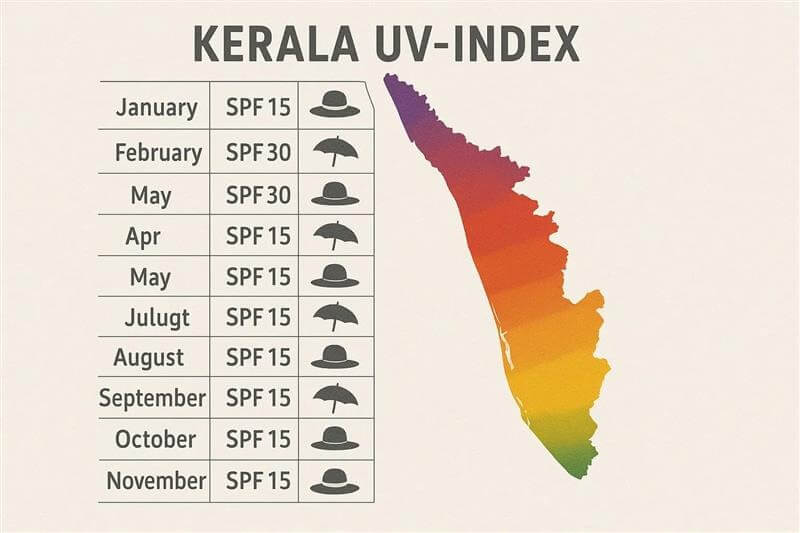
- Year-round UV Index ≥ 9 between February and May.
- Sea breezes that make midday heat feel milder, encouraging longer outdoor exposure.
- Mineral-rich well water that can deposit iron on skin, subtly oxidizing surface color.
- Cultural festivals with outdoor processions (Onam boat races, temple fairs).
How Professional Tan Removal Treatments Work
1. Chemical Peels
Alpha hydroxy acids (glycolic, lactic) and beta hydroxy acids (salicylic) break intercellular bonds, shedding pigmented cells. A randomized study in the Journal of Cutaneous and Aesthetic Surgery found 35 percent glycolic peel achieved a 45 percent melanin index reduction versus placebo after three sessions.
2. Microdermabrasion
A diamond-tip device gently sands the epidermis, improving product penetration. Good for melasma exacerbated by superficial tanning.
3. Laser Toning (Q-Switched 1064 nm)
Delivers short, high-peak pulses that fragment dermal melanin. Thermal diffusion is minimal, making it suitable for Indian Fitzpatrick IV-V skin. Internal link: Understanding the Benefits of Laser Treatments for Skin Rejuvenation.
4. Picosecond Lasers
Picosecond technology fires pulses 100 times faster than Q-Switched, creating a photo-mechanical effect that breaks pigment into minute particles cleared by macrophages.
5. IPL Photofacials
Broad-spectrum flashes selectively absorb pigment and hemoglobin, simultaneously treating redness and tanning. Downtime is low, but multiple passes are needed.
6. Combination Protocols
Dermatologists often layer modalities eg, a light salicylic peel followed by low-fluence laser to achieve synergistic results while minimizing side effects.
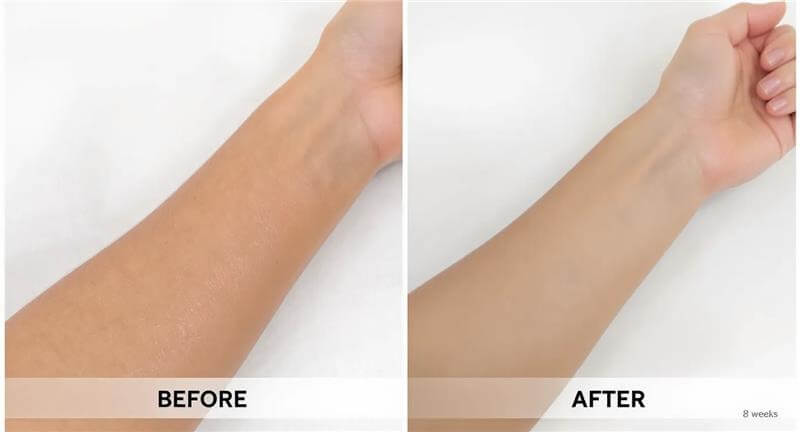
Choosing a Tan Removal Treatment in Kollam
People often search for Tan Removal Treatment in Kollam or Tan Removal Treatment in Kerala expecting a one-size-fits-all peel. In reality, success depends on:
- Skin type and underlying conditions (acne, melasma, PCOS-related pigmentation).
- Lifestyle and sun exposure. Outdoor workers may need maintenance sessions every quarter.
- Technology access. It is important to make sure that adequate technology is made use of in treatment.
- Practitioner expertise. Verify Dermatology Council of India certification.
After care instructions
- Apply broad-spectrum sunscreen (PA++++, SPF 50) every two hours outdoors.
- Use topical antioxidants like niacinamide or vitamin C serums
- Consider oral Polypodium leucotomos extract (240 mg) which reduced UVB-induced erythema by 34 percent in a 2022 Indian double-blind trial.
- Schedule maintenance laser or peel every 4-6 months during peak UV season.
Key Takeaways
- The answer to “what is tan removal” lies in understanding melanin biology and choosing treatments that break pigment down safely.
- Chemical peels, microdermabrasion, laser toning, offer graded solutions with varying downtime and cost.
- Real-world audits from Kerala show up to 70 percent clearance after six low-fluence Q-Switched sessions when paired with daily sunscreen.
- Individuals looking for tan removal treatment should verify technology, clinician credentials, and standardized before-after evidence.
- Post-procedure photoprotection and antioxidant skincare are critical to sustain results.
TLC Skyn continually tracks global pigmentation research, and our doctors are board-certified dermatologists, including the best dermatologist in Kollam. If you are ready to plan a bespoke regimen or even combine your holiday in Kerala with advanced tan treatment, schedule a consultation with our dermatology team today. Your journey to even, radiant skin starts with the right data and expert guidance. Get in touch with TLC Skyn today to book your consultation and start your journey to healthier, glowing skin.